
Research Article: Journal of Drug and Alcohol Research (2026) Volume 15, Issue 5
New Proposal of Therapeutic Drug for Depression in Parkinson’s Disease
Lourdes de Fatima Ibanez Valdes1 and Humberto Foyaca Sibat2*2Department of Neurology, Nelson Mandela Academic Hospital, Walter Sisulu University, South Africa
Humberto Foyaca Sibat, Department of Neurology, Nelson Mandela Academic Hospital, Walter Sisulu University, South Africa, Email: humbertofoyacasibat@gmail.com
Received: 01-Apr-2026, Manuscript No. JDAR-26-171193; Editor assigned: 06-Apr-2026, Pre QC No. JDAR-26-171193 (PQ); Reviewed: 21-Apr-2026, QC No. JDAR-26-171193; Revised: 15-May-2026, Manuscript No. JDAR-26-171193 (R); Published: 22-May-2026, DOI: 10.4303/JDAR/236511
Abstract
Objectives: The main aim of this study is to discuss the latest information released into the medical literature regarding novel drug therapy of depression in Parkinson’s disease.
Methods: A wide search of the medical literature of the following databases, PubMed/MEDLINE, Scopus, and Embase, was performed to find articles related to novel information on the pathogenesis of depression in PD. From 01 January 2000 to 31 January 2026, we searched the medical literature following PRISMA guidelines. We searched Scopus, Embase, and PubMed Central using: “Pathogenesis of depression,” “pathogenesis of Parkinson’s disease,” “novel treatment for depression,” “gut-brain axis therapy,” “dysbiosis,” “limbic system,” “major depressive disorders,” “habenula dysfunction,” “ibogaine” and “treatment of mood disorders”.
Results: A literature search initially yielded 1563 articles. After removing 911 duplicates based on title and abstract review, 652 publications remained. Of these, 478 did not meet the inclusion/exclusion criteria, leaving 174 studies that investigated the pathogenesis of depression in PD. Among these, five manuscripts presented novel information on the treatment of depression in PD. However, quality assessment revealed that none of the selected articles delivered new hypotheses.
Keywords
Pathogenesis of depression; Pathogenesis of Parkinson’s disease; Limbic system; Major depressive disorders; Dopaminergic dysfunction; Novel treatment of depression in PD
Abbreviations
5-HT4R: Serotonin 4 Receptor; 6-OHDA: 6-hydroxydopamine; AHR: Aryl Hydrocarbon Receptor; ChAT: Choline Acetyltransferase; CNS: Central Nervous System; DHA: Docosahexaenoic Acid; DNs: Dopaminergic Neurons; DMV: Dorsal Motor Nucleus of the Vagus; ENS: Enteric Nervous System; FMT: Faecal Microbiota Transplantation; GDNF: Glial Cell Line–Derived Neurotrophic Factor; GF: Germ-Free; GFAP: Glial Fibrillary Acidic Protein; GLP-1: Glucagon- Like Peptide 1; GPR41: G-protein Coupled Receptor 41; HDAC: Histone Deacetylase; IPANs: Intrinsic Primary Afferent Neurons; LPS: Lipopolysaccharide; NaB: Sodium Butyrate; nNOS: neuronal Nitric Oxide Synthase; PD: Parkinson’s Disease; PYY: Peptide YY; ROS: Reactive Oxygen Species; S100B: S100 calcium-binding protein B; SCFAs: Short- Chain Fatty Acids; TH: Tyrosine Hydroxylase; TLR: Toll-Like Receptor; TLR2: Toll-Like Receptor 2; TLR4: Toll-Like Receptor 4; TNF-α: Tumor Necrosis Factor Alpha; VIP: Vasoactive Intestinal Peptide
Introduction
In 1817, Dr. James Parkinson published his famous “Essay on the Shaking Palsy”, in which he described the most relevant clinical features of this disease, which had been recognised since ancient times.
Motor symptoms such as tremor, rigidity, bradykinesia, and gait disturbance define PD. Meanwhile, non-motor symptoms, including sensory, autonomic, sleep, and psychiatric disturbances, are now defined as core features. PD affects about 2% of people aged 65 and older worldwide. Its rising prevalence and earlier onset impose a significant socioeconomic burden [1-4]. This highlights the need for robust animal studies to model PD’s molecular hallmarks and behavioural symptoms, and to clarify its pathogenesis and therapeutic strategies.
The underlying pathology of PD involves the gradual loss of dopamine-producing neurons in the substantia nigra, a region of the brain essential for movement and motivation, is particularly affected neurons degenerate, dopamine levels within the basal ganglia decline, leading to both motor and non-motor manifestations. A key pathological feature of this process is the accumulation of abnormal protein aggregates, known as Lewy bodies, composed of misfolded alpha-synuclein and contribute to ongoing neuronal dysfunction and cell death [5].
The motor symptoms of PD classically include resting tremor, rigidity, bradykinesia, and postural instability. Nonmotor symptoms such as depression, sleep disturbances, constipation, and cognitive impairment are increasingly recognised as key components of the disease.
These symptoms often arise during the prodromal phase and often precede motor manifestations by several years. Non-motor symptoms, therefore, play a critical role in identifying individuals at risk of developing PD [6,7].
These non-motor symptoms may precede motor manifestations by several years and are therefore critical in the early identification of individuals at risk for PD [6,7].
In addition, non-motor symptoms majorly contribute to reduced quality of life and functional decline. Psychiatric manifestations, particularly depression, anxiety, and apathy, are especially important [7].
Depression, as defined by the Diagnostic and Statistical Manual of Mental Disorders (DSM-5-TR), is characterised by symptoms including depressed mood, anhedonia, feelings of guilt or worthlessness, impaired concentration, appetite changes, sleep disturbances, and recurrent thoughts of death [8].
In Parkinson’s disease, however, the clinical presentation of depression often differs from that seen in primary Major Depressive Disorder (MDD). Although standard diagnostic criteria remain applicable, depressive symptoms in PD less commonly involve overt sadness, guilt, and suicidal ideation. Instead, they more often present as cognitive impairment, reduced motivation, and difficulties with concentration [9].
Symptoms less often include suicidal ideation, more often presenting as cognitive impairment, reduced motivation, and difficulty concentrating [9].
This distinction suggests that depression in Parkinson’s disease may not merely represent a psychological response to chronic illness, but rather a manifestation of the underlying neurodegenerative process itself. Disruption of dopaminergic, serotonergic, and noradrenergic pathways, alongside the dysfunction of limbic and fronto-striatal circuits involved in mood regulation, it provides a biological basis for this altered clinical presentation [5].
In 2022, Weintraub and colleagues at the University of Pennsylvania reviewed Neuropsychiatric (NP) symptoms of Parkinson’s disease. They found that these symptoms can cause as much disability as motor ones. They suggested specialised training, more research, greater awareness, and new care models to improve NP symptom management in Parkinson’s disease.
The symptoms and signs of this complex NP disorder are characterised by perceptual and cognitive disturbances, such as psychosis; motivational symptoms, including apathy and impulse control disorders; and, most commonly, affective disturbances like anxiety and depression [10].
Non-Motor Symptoms (NMSs) of PD, described by James Parkinson almost 200 years ago, are integral to PD and worsen patients’ quality of life. Moreover, their role was recognised as significant early in the characterisation of the disease.
It is a common neurodegenerative disorder characterised by progressive dopaminergic neuronal loss in the posterolateral aspect of the pars compacta in the substantia nigra and the deposition of α-synuclein (α-syn) aggregates, forming Lewy Bodies (LBs) and Lewy Neurites (LNs) [11, 12].
Depression and anxiety are quite common neuropsychiatric disorders in PD, being more prevalent in PD than in the general population and other chronic conditions. Over 31% of people with PD had depressive symptoms associated with reduced quality of life [13].
Kim et al., proved the bidirectional relationship between depression/anxiety behaviours and α-synuclein (α-syn) propagation using A53T α-syn in an animal model subjected to chronic restraint stress and/or intrastriatal injection of α-syn preformed fibrils [14].
Parkinson’s Disease (PD) is present worldwide, and the incidence and prevalence increase gradually with age. Epidemiologic investigations have also shown high rates. In 2016, 6.1 million people worldwide had PD (47.5% women and 52.5% men). This number was 2.4 times higher than in 1990 and was attributed to an increased population of older people, longer lifespans, longer disease duration, and environmental factors/exposures, among other factors. Nevertheless, prevalence rates were highest in high-income countries [15].
On the other hand, mood disturbances are quite common worldwide, affecting roughly 17.6% of the general population in any given year and approximately 29.2% of people over their lifetime. The most common are depression and anxiety, which might impact at least 600 million people globally [16].
The main aid of this review is to find out the novel reported information on therapeutic drug for depression in PD patients.
Materials and Methods
A comprehensive search of the medical literature in the PubMed/MEDLINE, Scopus, and Embase databases was conducted to identify articles reporting novel information on GA and diagnostic procedures.
The systematic review performed in this study followed the guidelines recommended by PRISMA (2020 statement).
Search strategy
From 01 January 2000 to 31 January 2026, we searched the medical literature following PRISMA guidelines. We searched the following issues: “Pathogenesis of depression,” “pathogenesis of Parkinson’s disease,” “novel treatment for depression,” “gut-brain axis therapy,” “dysbiosis,” “limbic system,” “major depressive disorders,” “habenula dysfunction,” “ibogaine” and “treatment of mood disorders”.
A systematic search was conducted across the following databases: PubMed Central/MEDLINE, Scopus, and Embase to identify publications on the pathophysiology of depression in PD and novel therapies.
Only articles published in English, Spanish and Portuguese were selected. Editorials, preclinical studies, and conference proceedings were excluded.
Selection of study
Both authors (LdeFIV, and HFS) separately reviewed the abstracts and titles of the selected publications and independently reviewed the full-text versions of the identified articles to determine their eligibility for inclusion. Furthermore, publications without a clear protocol for confirmatory diagnosis, papers lacking analysis, publications with incomplete data, or those that did not mention the exact number of patients or treatment of depression and PD were not considered for inclusion.
Selection criteria
The following criteria were included: Articles with detailed pathogenesis and/or drug therapy. Clinical features of LIS and demographic information.
Exclusion criteria were applied:
• Inaccessibility to full text.
• Articles no affording drug therapy of depression in PD.
• Lack of relevant clinicopathological data.
• Non-original studies (i.e., editorials, letters, conference proceedings, book chapters).
• Non-/Spanish/Portuguese/English studies. The papers that were not thoroughly assessed were removed.
Data extraction and quality assessment
The studies’ quality assessment, including applicability concerns and risk of bias, was categorised as good, poor, fair, or reasonable, in agreement with the National Institutes of Health criteria and The Quality Assessment of Diagnostic Accuracy Studies version 2 (QUADAS-2) evaluation. Quality evaluation was made separately by both authors, and disagreements were resolved by scientific discussion and final agreement.
Data collection, extraction, and bias assessment
All abstracts and titles with the inclusion criteria were revised by two authors before being cited to collect relevant information for the review. For each publication selected in the review, data on the author’s name, age, year of publication, country of the information source, type of study, total number of cases included, and treatment of depression in PD patients were collected. The selected data from eligible publications were entered into an updated Excel spreadsheet.
Outcome measures
Our plan was to select the most relevant publications on the therapy of depression in PD. This investigation also identified novel therapies for enteric nervous system disorder and pathogenesis of depression based on habenula dysfunction.
Statistical analysis
Statistical analysis was performed using XLSTAT (add-on for Microsoft Excel, version 2021.4.1, Addinsoft SARL and RStudio (version 4.3.1, https://www.rstudio.com/).
Results and Discussion
Literature search
Searching the literature retrieved 1563 articles. After reviewing the titles and abstracts, 911 duplicate publications were removed, leaving 652 publications selected. After applying the inclusion/exclusion criteria, 478 articles were excluded; therefore, 174 studies investigated the new therapy of depression in PD. Looking for novel information on the relationship among habenula dysfunction and depression in of PD, 5 manuscripts were selected. For quality assessment, five articles that delivered new elements of pathogenesis were included (Figure 1).
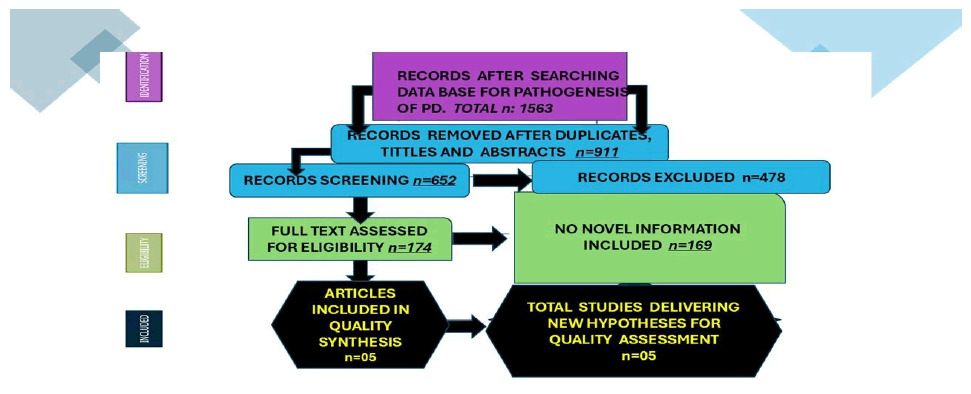
Figure 1: PRISMA flow diagram with included publications
To provide an accurate assessment of this search, the authors used a QUADAS-2 evaluation to determine that the risk of bias was low/moderate for almost all publications. The authors considered the substantial technical differences observed across diagnostic protocols used in several studies.
Noticeably, in some publications, small and mixed cohorts were processed, including different types of diagnostic procedures, leading to fewer cases examined under the same protocol.
Comments and final remarks
Predictors of depression, according to evidence from both cross-sectional and longitudinal studies, include factors such as psychiatric (i.e., past or family history of depression, cognitive impairment, and rapid eye movement behaviour sleep disorder), demographic (i.e., with female sex and younger age associated with increased severity of depression), PD-related (i.e., longer disease duration and motor fluctuations), and functional (i.e., impaired activities of daily living and reduced physical activity) other nonmotor (i.e., constipation, pain, upper gastrointestinal symptoms, and fatigue) [17-19]. The commonest non-motor symptoms of PD are listed in Table 1.
| Non-motor symptoms | NMS-Q Mean (%) | MDS_NMS Mean (%) |
| Urinary problems | 74% | 68% |
| Pain | 65% | 65% |
| Fatigue | 64% | 65% |
| Sleep problems | 62% | 63% |
| Constipation | 48% | 48% |
| Cognitive impairment | 46% | 48% |
| Depression/apathy | 43% | 39% |
| Excessive drooling | 35% | 33% |
Table 1: Frequency of most common non-motor symptoms. NMSs can also be classified according to their pathophysiology or drug therapy
Psychosocial factors play a crucial role in the pathogenesis of depression in PD patients. Social connections, access to multidisciplinary care, spiritual well-being, and stable employment may be protective [20-22]. Related to impulse control disorders, there is combined evidence for its association with REM sleep disorder [23-25], low education level, male sex, older age, and cognitive impairment [26], mainly executive dysfunction [27]. The increasing severity of PD and depression is independently associated with the future occurrence of apathy [28,29].
Brief comments on drug therapy follow in this section
Unfortunately, only a small number of randomised controlled trials of antidepressants for depression have been performed [30].
For many decades, research on the neuropsychiatry of Parkinson’s disease has focused on psychopharmacology, whereas non-pharmacological interventions (e.g., psychotherapy or exercise) have received increased attention only since 2019 [31].
Alternative treatments for depression in PD include serotonin-norepinephrine reuptake inhibitors, selective serotonin reuptake inhibitors, and tricyclic antidepressants.
However, no class has significantly impacted motor function, and rasagiline, a reversible selective monoamine oxidase B inhibitor, has shown poor benefits as monotherapy for PD depression [32-34].
Pramipexole might provide a mood benefit, although the effect size appears small. Despite new drugs such as nabilone (a synthetic cannabinoid) showing some alleviation of NP manifestation in PD, we believe that randomised controlled trials are needed before safe and confident administration.
Cognitive behavioural therapy (psychological intervention) for depression shows a beneficial effect in PD based on two randomised controlled trials of a telemedicine intervention performed by phone or web-based video conferencing, confirming statistically and clinically significant improvements compared with usual care [35,36].
On the other hand, repetitive transcranial magnetic stimulation for depression in PD has also delivered good results [37,38].
In cases presenting severe or refractory depression, electroconvulsive therapy has proven to be quite good and well tolerated in patients with PD, with the additional improvement of the clinical features of Parkinsonism [39]. Clinical classifications of NMSs of PD are listed in Table 2.
| Related to the disease process or pathophysiology | Dopaminergic, e.g., depression, anxiety, dystonic pain and sleep disorders |
| Non-dopaminergic, (cholinergic, serotonergic, noradrenergic, glutamatergic, and mixed) e.g., hallucinations, urinary problems, cognitive impairment, neuropathic pain | |
| Related to non-motor fluctuations | Present only during off periods, e.g., mood disorders, impaired concentration |
| Present during on periods and worse in off e.g., pain, fatigue, constipation | |
| Related to drug therapy for PD | e.g., hallucinations, impulse control disorders, excessive daytime sleepiness |
| Genetically determined | Dementia or MCI in patients with glucocerebrosidase mutation |
| Depression and sleep disorders in patients with LRRK-2 mutation |
Table 2: Clinical classifications of NMSs of PD
Other non-pharmacological treatments, such as various forms of aerobic training and bright light therapy, contributed positively to better outcomes of PD cases with depression. Several forthcoming clinical trials for depression are still focusing on pharmacotherapy (for instance, on nortriptyline and escitalopram), psychotherapy (interpersonal therapy and telehealth cognitive behavioural therapy), or brain stimulation (repetitive transcranial magnetic stimulation and transcranial direct current stimulation), as we listed in Table 3 the medical management of Parkinson disease and associated mood disorders [40,41].
| Medication class | Examples | Primary indication | Key clinical considerations in PD + Mood disorders | Notable adverse effects/Cautions |
| MAO-B inhibitors | Selegiline, rasagiline, safinamide | Motor symptom adjunct; mild antidepressant effect | Can be combined with levodopa; avoid combining with SSRIs/SNRIs due to serotonin syndrome risk | Insomnia, hypertension, serotonin syndrome (with serotonergic drugs) |
| Antidepressants (SSRIs) | Sertraline, citalopram, escitalopram, paroxetine | Depression, anxiety | First line for mood symptoms; generally motor-neutral | Worsened tremor in some cases, GI upset, hyponatremia, serotonin syndrome with MAO-B inhibitors |
| Dopamine agonists | Pramipexole, ropinirole, rotigotine | Motor symptom adjunct or monotherapy in early disease | Useful for reducing “off” time; may have mild antidepressant effect | Impulse-control disorders, hallucinations, somnolence, mania in bipolar patients |
| Dopaminergic therapy | Levodopa/carbidopa, benserazide/levodopa | Motor symptom control | First line for bradykinesia, rigidity, tremor; may modestly improve mood; adjust dosing gradually | Dyskinesia, nausea, orthostatic hypotension, hallucinations with long-term use |
| COMT inhibitors | Entacapone, opicapone, tolcapone | Prolong levodopa effect, reduce “off” periods | Improves motor fluctuations; adjust to minimize polypharmacy | Diarrhea, hepatotoxicity (tolcapone), dyskinesia |
| Antidepressants (SNRIs) | Venlafaxine, duloxetine | Depression, anxiety, pain | May improve energy and concentration; modest dopaminergic benefit | Tremor exacerbation, hypertension, withdrawal symptoms |
| Tricyclic antidepressants (TCAs) | Nortriptyline, desipramine | Depression (refractory cases) | Effective but use cautiously in older PD patients | Anticholinergic effects, arrhythmia, orthostatic hypotension |
| Atypical antipsychotics | Quetiapine, clozapine, pimavanserin | Psychosis, bipolar disorder | Quetiapine and clozapine are preferred due to minimal motor worsening; pimavanserin approved for PD psychosis | Sedation, orthostatic hypotension, agranulocytosis (clozapine), QT prolongation |
| Mood stabilizers | Lithium, valproate, lamotrigine | Bipolar disorder, mood stabilization | Lamotrigine preferred for minimal motor worsening; lithium/valproate may exacerbate tremor or rigidity | Tremor, ataxia, sedation, drugâÂÃÂÂÂÂÃÂÂÂdrug interactions |
| Anxiolytics | Buspirone, clonazepam (RBD only) | Anxiety, REM sleep behavior disorder | Limited evidence for anxiety; clonazepam effective for RBD; avoid chronic benzodiazepine use | Sedation, falls, cognitive impairment, tolerance |
| Note: MAO-B: Monoamine Oxidase type B; COMT: Catechol-O-Methyltransferase; SSRI: Selective Serotonin Reuptake Inhibitor; SNRI: SerotoninâÂÃÂÂÂÂÃÂÂÂNorepinephrine Reuptake Inhibitor; RBD: REM Sleep Behavior Disorder. | ||||
Table 3: The medical management of Parkinson disease and associated mood disorders
Selective monoamine oxidase B inhibitors and antidepressants are often orally combined as part of the drug therapy for depression in PD patients, and adverse events have been reported from a randomised controlled trial [42] and a retrospective study [43], confirming that the risk for serotonin syndrome is low.
The distribution of different neurotransmitter along to some cerebral lobes are listed in table. Brief comments on microbial-based therapies for depression in PD Probiotics, which are “live microorganisms that, when administered in adequate amounts, confer a health benefit on the host,” have been confirmed to improve mental health symptoms live [44].
Other investigators reported that specific species within the Lactobacillus and Bifidobacterium. Genes exert the most important effect on alleviating mental health symptoms, particularly those associated with anxiety and depressive disorders. They also reported that consuming probiotics containing Lactobacillus helveticus and Bifidobacterium longum reduces anxiety levels and enhances overall mood [45].
Furthermore, Bacillus coagulant MTCC 5856 has been shown to improve sleep disturbances and significantly relieve depressive symptoms [46]. Notwithstanding, prebiotics, known as “non-digestible food components that selectively stimulate the growth and activity of beneficial microorganisms in the gut”, also provide a good effect on mental health [47-49].
A preclinical investigation reported that a fructooligosaccharide prebiotic can alleviate depression in a rat model [50]. Likewise, synbiotics, which combine prebiotics and probiotics, produce a synergistic effect on mental health outcomes [51].
Zang et al. found that a synbiotic combination, when used alongside fluoxetine, played a beneficial role in improving depression [52]. On top of that, many medical investigations have accurately shown improvements in symptoms of anxiety and depression after administrations of specific probiotic strains [53-55].
Brief comments on psychobiotics and next-generation probiotics
Psychobiotics are a type of probiotic that can provide benefits to cognition, mood, and behavioural responses, among other mental health functions, when administered at adequate and appropriate doses [56,57].
Therefore, psychobiotics represent a subset of probiotics characterised by their capacity to interact with the gut-brain axis, modulating stress, mood, and overall mental wellbeing. Other authors reported that some types of strains of bacteria belonging to the Streptococcus, Escherichia, the genera Lactobacillus, Bifidobacterium, and Enterococcus can modulate GBA and improve mental health [58].
Other investigators have documented that psychobiotics alleviate depression and/or anxiety by enhancing mental well-being and overall mood [59].
The pharmacological function of psychobiotics is multifaceted, modulating 5-HT and GABA, reducing proinflammatory cytokines, and exerting remarkable control over the HPA axis, regulating stress responses, as has been confirmed by other investigators [60].
On top of that, some strains, such as Lactobacillus plantarum PS128 (psychobiotics), can improve dopamine metabolism and modulate norepinephrine production [61].
Brief comments on Faecal Microbiota Transplantation (FMT)
FMT is a medical procedure that reestablishes a balanced, healthy gut microbiota by introducing faecal material from a healthy donor into a recipient. After restoring microbial balance between Firmicutes and Bacteroidetes in the gut, it improves both gastrointestinal function and brain health [62,63]. Therapeutic strategies targeting microbial dopamine metabolism are shown in Figure 2.
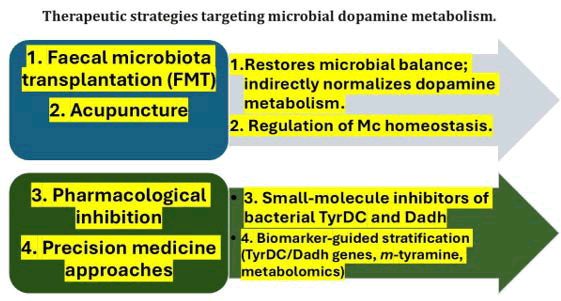
Figure 2: The figure show faecal microbiota transplantation
FMT can more directly restructure microbial communities; pilot PD studies suggest safety and preliminary efficacy but require standardised, adequately powered trials before routine implementation [62,63].
Brief comments on the role of acupuncture in PD with depression
It has been shown that acupuncture increases BDNF, thereby improving neuronal function in patients with depression by regulating miRNAs, modulating the p11/tPA/ BDNF signalling axis, and enhancing miR-16 expression in the hippocampal formation and the median raphe nucleus. This procedure also increases BDNF levels to enhance neural plasticity, survival, NSC proliferation, and neuronal differentiation via BDNF downstream signalling, including PI3K/AKT, MAPK/ERK, and PLCγ, thereby alleviating depression (Figure 3) [64].
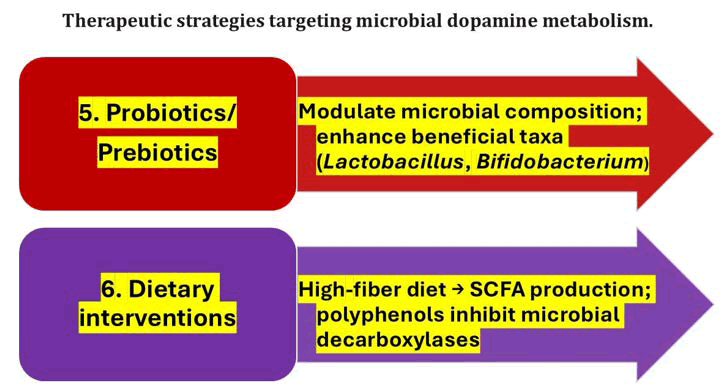
Figure 3: Therapeutic strategies targeting microbial dopamine metabolism
Neural activity in the basal ganglia, mainly the subthalamic nucleus, has been linked to depression in patients with PD. Nevertheless, the main role of the pallidum in its pathogenesis remains unknown. Because PD patients with severe depression symptoms have elevated beta (13–30 Hz) power compared to patients without depression and based on an association of depression with high beta (20– 30 Hz) power, it has been considered that pallidal beta power is a potential biomarker of depression in PD, which supports Deep Brain Stimulation (DBS) therapy to improve depression in PD [65].
Therefore, DBS targeted to the Subthalamic Nucleus (STN) or the pallidum (specifically the Globus Pallidus internus (GPi) is part of the treatment for PD cases presenting refractory motor symptoms and induces improvement in depression, mainly in the short term [66-68]. Liu and colleagues established a complex reciprocal association between depression/anxiety-like behaviours and A53T α-syn overexpression in PD. They also confirmed that CRS-induced affective disturbances worsen by α-syn propagation. Despite hyperactivity, A53T α-syn alone does not modify susceptibility to CRS-induced depressive behaviours in animals; the addition of PFF injection increases these behavioural phenotypes, highlighting the necessity of α-syn propagation for symptom aggravation. Therefore, there is a reciprocal association between depression-like behaviours and α-syn pathology in PD, and it seems that these factors interact dynamically, and their coexistence leads to worsening of the disease outcome [68]. On the other hand, modulation of c-Fos expression through the inhibitor T5224 mitigated both behavioural deficits and α-syn spread, suggesting its therapeutic effect on PD depression, while mGluR5 contributed to this interplay later, underscoring the central role of neuronal activity in enhancing quality of life [69].
Luk et al. reported that CRS facilitate α-syn propagation, suggesting PD progression, and accelerated PFF-induced dopaminergic neurodegeneration, while PFF administration alone did not cause significant loss of TH-positive neurons in the substantia nigra [70].
Although SSRIs and SNRIs are first-line choices for depression in PD, quetiapine or clozapine are strongly preferred to treat associated psychosis, which is necessary, plus non-pharmacologic therapies, including structured exercise, cognitive behavioural therapy, and patient– caregiver education, to enhance mood, function, and quality of life and diminish risks of side effects [71]. Other modalities of non-pharmacological interventions procedures are shown in table.
We highlighted structured exercise programs, including aerobic, resistance, and stretching exercises, plus physiotherapy, to provide additional reductions in psychological distress [72,73].
Additional comments on depression therapy in PD
As we cited before, Selective Serotonin Reuptake Inhibitors (SSRIs) such as citalopram, escitalopram, paroxetine, fluoxetine, and sertraline, as well as Serotonin–Norepinephrine Reuptake Inhibitors (SNRIs) like venlafaxine, are confirmed as the first-line drugs to treat depression and anxiety. While, nortriptyline and desipramine (tricyclic antidepressants) have shown good efficacy in PD-related depression despite carrying a higher risk of orthostatic hypotension, anticholinergic side effects, and cardiac conduction abnormalities, mainly in older PD patients, being even worse in those cases with an associated autonomic dysfunction [71].
The same investigators recommended bupropion (norepinephrine–dopamine reuptake inhibitor) based on its dopamine-enhancing properties despite its side effect of enhancing tremors. Selegiline and rasagiline (MAO-B inhibitors) are quite good at controlling depressive symptoms in PD [74].
However, the combination of MAO-B inhibitors with SNRIs, SSRIs, or TCAs can increase the risk of serotonin syndrome [74-77].
It’s quite important to consider that dopamine agonists and levodopa can exacerbate impulse-control disorders, psychosis and trigger mania in bipolar patients. van der Marck et al. reported that cases managed by a specialist multidisciplinary team showed remarkable improvements in quality of life, motor function, depression, and psychosocial functioning, and reduced caregiver strain, compared with those receiving only standard neurologist care [78].
Brief comments on gut microbiota-targeted therapies
PD is increasingly recognised as a gut-brain disorder [79].
Probiotics are gaining increasing attention in the treatment of neurodegenerative diseases, including the management of constipation in PD patients (Figure 3) [80].
Two independent groups of investigators have reported that Lactobacillus reuteri and Bifidobacterium longum can modulate electrophysiological effects on intestinal propulsion and enteric neurons, potentially enhancing motility effects relevant to PD [81,82].
And Brun et al., confirmed that Saccharomyces boulardii induces enteric neurodegeneration and inflammation in an experimental model of inflammatory bowel disease [83].
Collectively, these findings highlight probiotics as a promising strategy for modulating the ENS and gut microbiota in PD.
In PD animal models, FMT modulated intestinal permeability, prevented dopaminergic neuronal loss, altered microbiota composition, inhibited α-synuclein aggregation in the brain, and restored striatal neurotransmitter levels, thereby improving outcomes in PD patients [84,85].
Depression is the most common psychiatric disorder observed in Parkinson’s Disease (PD) patients [86].
Brief comments on other therapeutic perspectives
Therapeutic strategies targeting microbial dopamine metabolism combine dietary approaches, selective enzyme inhibition, microbiota modulation, and precision frameworks, moving toward mechanism-based, microbiome-informed care [87].
Ketamine is an NMDAR antagonist, classically used as an anaesthetic drug, which has a remarkable antidepressant effect [88-91].
Probiotics and prebiotics are the most feasible options; Lactobacillus/Bifidobacterium formulations improve quality of life and gastrointestinal symptomatology in PD [92].
High-fibre diets increase SCFA production, which can influence dopaminergic signalling, while polyphenol-rich diets may inhibit microbial decarboxylase activity involved in L-DOPA degradation [93,94].
Specific approaches integrating metabolomics, microbiome sequencing, and pharmacokinetics may enable stratified adjuncts (diet/probiotics/enzyme inhibition) aligned with individual microbial and metabolic profiles (Figure 3) [95-97].
Brief comments on modulating neuroplasticity
Neuroplasticity is the adaptive structural and functional reorganisation of neural circuits in response to physiological and environmental stimuli. Adult Hippocampal Neurogenesis (AHN) characterised by the sustained proliferation, differentiation, and functional integration of newborn neurons within the dentate gyrus constitutes a core mechanism of neural plasticity. This complex process begins with Neural Stem Cell (NSC) expression in the Subgranular Zone (SGZ), proceeds through neuroblast maturation, and culminates in the synaptic integration of granule cells into hippocampal circuits.
Therefore, AHN modulate cognitive and affective regulation, with its impairment directly linked to neuropsychiatric disorders, including depression [98,99].
Brief comments on psychedelic drug therapy
Psychedelic therapy (also known as psychedelic-assisted therapy is a variety of mental health therapy that combines psychedelic substances with psychotherapy to address conditions like depression, administering MDMA, LSD, mescaline, psilocybin, DMT, and ibogaine. The last one has been used to treat neuropsychiatric disorders with good results by acting on NMDA receptors, the MHb–IPN axis, neurotrophic signalling, dopaminergic salience, and monoaminergic systems [101,102].
The pharmacokinetic mechanism of ibogaine differs from classical psychedelics, such as psilocybin and mescaline, because the latter two mainly exert their effects through serotonergic 5-HT2A receptor agonism and do not directly modulate habenular nuclei or striatal dopaminergic signalling [102-105].
Noribogaine is the primary active metabolite of ibogaine, and both share a common indole alkaloid scaffold but differ by O-demethylation at the methoxy substituent (R=CH3 for ibogaine; R=H for noribogaine).
Brief comments on the role of the habenula in the pathogenesis of depression in PD
The Habenula (Hb) from a phylogenetic point of view is part of the epithalami structure and contains two nuclear complexes, the Lateral habenula (LHb) and the Medial (MHb) is located in the habenula triangle (in the posterior part of the diencephalon, just anterior to the pineal gland) and connects with the limbic system, with autonomic functions and emotional drives. It also integrates frontolimbic and brainstem signals to regulate mood, motivation, and reward processing [106].
The Input and output connectivity pathways of the habenula to other regions are shown in Figure 4.
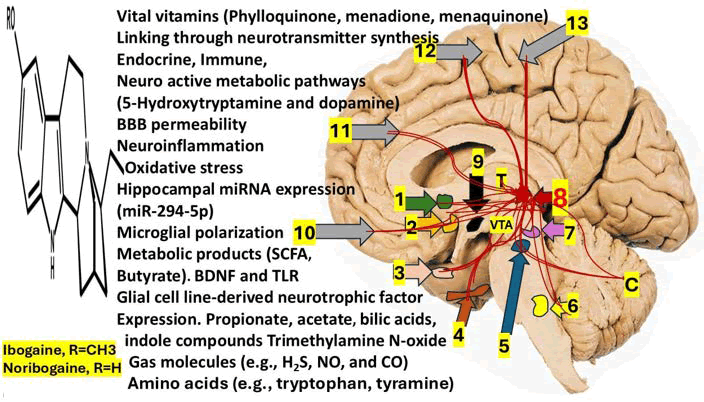
Figure 4: Shows a new hypotheses on the functional connectivity of the habenula through upregulate (U) and (D) downregulate connections with the following regions of the brain: 1. Medial septal group (Medial septal nuclei, Vertical diagonal band), 2. Nucleus basalis de Meynert, horizontal diagonal band of Broca, 3. Right amygdala (U), 4. Lef parahippocampal gyrus (U), 5. Pontine cholinergic system (interpeduncular nuclei, laterodorsally tegmental nuclei, pedunculopontine tegmental nuclei, pontine reticular nuclei), 6. Dorsal Rafe nuclei, 7. Posterolateral aspect of pars compacta of substantia nigra, 8. Medial habenula nucleus, 9. Lateral hypothalamus, 10. Dorsolateral precentral frontal cortex, 11. Anterior cingulate cortex (D), 12. Right precentral gyri (U), 13 Right postcentral gyri (U/D), C: Cerebellum (D), T: Thalamus (D), VTA: Ventral Tegmental Area (D). All the elements working on the pathophysiology of dysfunctional habenula are listed in the middle of the figure and the chemical structure of the Ibogaine and noribogaine drugs working on those before-cited elements are also shown.
The MHb exerts a remarkable downregulation of Calcium-dependent Activator Protein for Secretion 2 (CAPS2) and deficits in nicotinic acetylcholine receptormediated signalling. On the other hand, LHb, dysregulated expression of the inward-rectifying potassium channel Kir4.1, Protein Phosphatase 2A (PP2A), the β isoform of Calcium/calmodulin-dependent protein kinase II (CaMKIIβ), and the small nucleolar RNA SNORA69 have been confirmed in animal models of depression. The left and right habenula nuclei are interconnected through the habenular commissure (white matter tract located on either side of the midline). The MHb is mainly composed of cholinergic neurons and substance P-ergic cells, characterised by small, round neurons densely packed together. The MHb predominantly receives cholinergic and Gamma-Aminobutyric Acid (GABA) inputs from the locus coeruleus, the diagonal band of Broca, the medial septum, and dopaminergic input from the Ventral Tegmental Area (VTA) and the superior cervical ganglion. Same authors reported that the Interpeduncular Nucleus (IPN), which is a structure located along the ventral midline of the midbrain, receives output from the MHb via the projection of the fasciculus retroflexus and it (IPN) projects to brainstem areas that regulate neurotransmitter production, including the VTA, the dorsal tegmental nucleus, and both dorsal and medial raphe nuclei. Moreover, MHb primarily receives signals from the septum (limbic system) and relays this information downstream to the brainstem via the IPN. The LHb receives input from the limbic system and the basal ganglia and regulates neurotransmission to the brainstem. Via glutamatergic projections, the LHb provides hyperexpression on GABAergic neurons in the RMTg, blocking dopaminergic neurons in the SNc and VTA, while also sending direct inputs to the VTA and DRN/MRN [106]. The same authors confirmed that disruptions in some proteins (ErbB4 and NRG1) in parvalbumin-positive neurons are involved in the development of depression.
Currently, the LHb activity is the main factor in the pathogenesis of major depressive disorder. Hb links basal forebrain structures with monoaminergic nuclei in the midand hindbrain, and it’s involved in the regulation of the pars compacta of the substantia nigra dopamine release. On the other hand, LHb/MHb are interconnected with the median and dorsal raphe nucleus and play a crucial role in the pathogenesis of depression. We hypothesised that Ibogaine might exert a strong control on the Hb and may improve depression. Notwithstanding, ibogaine can also modulate opioid, glutamatergic, nicotinic, and monoaminergic systems, as well as neurotrophic signalling pathways, which are remarkably involved in synaptic plasticity and dopaminergic homeostasis [107,108].
Ibogaine administration modifies GDNF and BDNF expression in the cerebral areas involved in mesocorticolimbic and nigral dopaminergic circuits and plays an important role in the reconfiguration of addictionrelated circuitry, accompanied by a window of enhanced plasticity that may facilitate sustained behavioural change [109].
Conclusion
We only found five articles affording new drugs therapeutic approach to depression in PD, but no one reported novel hypotheses regarding psychedelic drug therapy for depression in PD due to habenula dysfunction.
We hypothesised that the administration of ibogaine may contribute to modifying the habenular dysfunction leading to a better control of depression in PD. To the best of our knowledge, this is the first attempt to propose a novel therapeutic drug for depression in PD patients based on the correction of habenular disturbance by administering ibogaine. However, a well-designed randomised clinical trial must be done to prove or reject our hypotheses.
Acknowledgment
To thanks to Prof Thozama Dubula for his unconditional support.
Ethics Statement
This review does not require ethical approval.
Patient Privacy
All patient-identifying information has been removed to ensure anonymity.
Conflicts of Interest
Authors of this review report there is not conflicts of interest.
References
- Parkinson J, An essay on the shaking palsy. 1817, J Neuropsychiatry Clin Neurosci, 14(2002):223-236.
[Crossref] [Google Scholar] [PubMed]
- J.W. Han, Y.D. Ahn, W.S. Kim, C.M. Shin, S.J. Jeong, et al. Psychiatric manifestation in patients with Parkinson’s Disease, J Kor Med Sci, 33(2018).
[Crossref] [Google Scholar] [PubMed]
- D.K. Simon, C.M. Tanner, P. Brundin, Parkinson disease epidemiology, pathology, genetics, and pathophysiology. Clin Geriatr Med, 36(2020):1-12.
[Crossref] [Google Scholar] [PubMed]
- J. Zhao, Multidimensional mechanisms of anxiety and depression in Parkinson’s disease: Integrating neuroimaging, neurocircuits, and molecular pathways, Pharmacol Res, 215(2025):107717.
[Crossref] [Google Scholar] [PubMed]
- M.H. Ahmad, Neurobiology of depression in Parkinson’s disease: Insights into epidemiology, molecular mechanisms and treatment strategies, Ageing Res Rev, 85(2023):101840.
[Crossref] [Google Scholar] [PubMed]
- J.G. Goldman, R. Postuma, Premotor and nonmotor features of Parkinson’s disease, Curr Opin Neurol, 27(2014):434-441.
[Crossref] [Google Scholar] [PubMed]
- N. Zhao, Quality of life in Parkinson’s disease: A systematic review and meta-analysis of comparative studies, CNS Neuroscience and Therapeutics. Blackwell Publishing Ltd, (2021):270–279.
- American Psychiatric Association, Diagnostic and Statistical Manual of Mental Disorders. DSM-5-TR. Washington, DC: American Psychiatric Association Publishing, (2022).
- R. Chikatimalla, Depression in Parkinson’s disease: A narrative review, Cureus, 14(2022):e27750.
[Crossref] [Google Scholar] [PubMed]
- K.A. Jellinger, The pathobiological basis of depression in Parkinson disease: Challenges and outlooks. J Neural Transm, 129(2022):1397-1418.
[Crossref] [Google Scholar] [PubMed]
- D. Weintraub, D. Aarsland, K.R. Chaudhuri, R.D. Dobkin, The neuropsychiatry of Parkinson's disease: Advances and challenges, Lancet Neurol, 21(2022):89-102.
[Crossref] [Google Scholar] [PubMed]
- C. Cattaneo, A. Fabbrini, D. Belvisi, F. Aiello, F. Marchet, et al. Non-motor symptoms: The hidden face of Parkinson’s disease, Cells, 15(2025):42.
[Crossref] [Google Scholar] [PubMed]
- B. R. Bloem, M. S. Okun, C Klein, Parkinson's disease, Lancet, 397(2021):2284-2303.
[Crossref] [Google Scholar] [PubMed]
- R. Uribe-Kirby, A. Pawlak, L. Pitman, G. Zuniga, J.D Jones, Can we detect cognitive “super-agers” in Parkinson's disease? Cognitive, neuropsychiatric and motor outcomes in the first 10 years of Parkinson's disease, Parkinsonism Relat Disord, 133(2025):107345.
[Crossref] [Google Scholar] [PubMed]
- S.J. Kim, J.B. Kim, S. Ham, S.M. Park, Uncovering the role of c-Fos in the bidirectional relationship between depression/anxiety behaviors and α-synuclein propagation in Parkinson’s disease, Neurotherapeutics, 23(2025):e00807.
[Crossref] [Google Scholar] [PubMed]
- Dorsey E.R., Elbaz, A., Nichols, E., Abd-Allah, F., Abdelalim, A., et al. Global, regional, and national burden of Parkinson’s disease, 1990-2016: A systematic analysis for the Global Burden of Disease Study 2016. Lancet Neurol, 17(2018):939-953.
- Z. Steel, C. Marname, C. Iranpour, T. Chey, J.W. Jackson, et al. The global prevalence of common mental disorders: A systematic review and meta-analysis 1980–2013, Int J Epidemiol, 43(2014):476–493.
[Crossref] [Google Scholar] [PubMed]
- J. Marinus, K. Zhu, C. Marras, D. Aarsland, J.J. van Hilten, Risk factors for non-motor symptoms in Parkinson’s disease, Lancet Neurol, 17(2018):559–568.
[Crossref] [Google Scholar] [PubMed]
- M. Lubomski, R.L. Davis, C.M. Sue, Depression in Parkinson’s disease: Perspectives from an Australian cohort, J Affect Disord, 277(2020):1038–1044.
[Crossref] [Google Scholar] [PubMed]
- M. Siciliano, L. Trojano, G. Santangelo, R. De Micco, G. Tedeschi, et al. Fatigue in Parkinson’s disease: A systematic review and meta-analysis, Mov Disord, 33(2018):1712–1723.
[Crossref] [Google Scholar] [PubMed]
- R. Tuijt, A. Tan, M. Armstrong, J. Pigott, J. Read, et al. Self-management components as experienced by people with Parkinson’s disease and their carers: A systematic review and synthesis of the qualitative literature, Parkinsons Dis, 2020(2020):8857385.
[Crossref] [Google Scholar] [PubMed]
- J.K. Garlovsky, P.G. Overton, J. Simpson, Psychological predictors of anxiety and depression in Parkinson’s disease: A systematic review, J Clin Psychol, 72(2016):979–998.
[Crossref] [Google Scholar] [PubMed]
- J. Marín-Lahoz, F. Sampedro, S. Martinez-Horta, J. Pagonabarraga, J. Kulisevsky, Depression as a risk factor for impulse control disorders in Parkinson disease, Ann Neurol, 86(2019):762–69.
[Crossref] [Google Scholar] [PubMed]
- H.T. Lu, Q.Y. Shen, Q.Z. Zhao, Association between REM sleep behavior disorder and impulsive-compulsive behaviours in Parkinson’s disease: A systematic review and meta-analysis of observational studies, J Neurol, 267(2020):331–340.
[Crossref] [Google Scholar] [PubMed]
- M.L. Fantini, J. Fedler, B. Pereira, D. Weintraub, A.R. Marques, et al. Is rapid eye movement sleep behavior disorder a risk factor for impulse control disorder in Parkinson disease? Ann Neurol, 88(2020):759–770.
[Crossref] [Google Scholar] [PubMed]
- A. D’Iorio, G. Maggi, C. Vitale, L. Trojano, G. Santangelo, “Pure apathy” and cognitive dysfunctions in Parkinson’s disease: A meta-analytic study, Neurosci Biobehav Rev, 94(2018):1–10.
[Crossref] [Google Scholar] [PubMed]
- M.C. Wen, A. Thiery, W.I. Tseng, Apathy is associated with white matter network disruption and specific cognitive deficits in Parkinson’s disease, Psychol Med, 52(2022):264-273.
[Crossref] [Google Scholar] [PubMed]
- M.G. den Brok, J.W. van Dalen, W.A. van Gool, E.P. Moll van Charante, R.M. de Bie, et al. Apathy in Parkinson’s disease: A systematic review and meta-analysis, Mov Disord, 30(2015):759–769.
[Crossref] [Google Scholar] [PubMed]
- K.A. Mills, M.C. Greene, R. Dezube, C. Goodson, T. Karmarkar, et al. Efficacy and tolerability of antidepressants in Parkinson’s disease: A systematic review and network meta-analysis, Int J Geriatr Psychiatry, 33(2018):642–651.
[Crossref] [Google Scholar] [PubMed]
- K. Seppi, K. Ray Chaudhuri, M. Coelho, S.H. Fox, R. Katzenschlager, et al. Update on treatments for nonmotor symptoms of Parkinson’s disease-an evidence-based medicine review, Mov Disord, 34(2019):180-198.
[Crossref] [Google Scholar] [PubMed]
- P. Barone, G. Santangelo, L. Morgante, M. Onofrj, G. Meco, et al. A randomized clinical trial to evaluate the effects of rasagiline on depressive symptoms in non-demented Parkinson’s disease patients, Eur J Neurol, 22(2015):1184-1191.
[Crossref] [Google Scholar] [PubMed]
- P. Barone, W. Poewe, S. Albrecht, C. Debieuvre, D. Massey, et al. Pramipexole for the treatment of depressive symptoms in patients with Parkinson’s disease: A randomised, double-blind, placebo-controlled trial, Lancet Neurol, 9(2010):573-580.
[Crossref] [Google Scholar] [PubMed]
- M. Peball, F. Krismer, H.G. Knaus, Non-motor symptoms in Parkinson’s disease are reduced by nabilone, Ann Neurol, 88(2020):712-722.
[Crossref] [Google Scholar] [PubMed]
- R.D. Dobkin, S.L. Mann, M.A. Gara, A. Interian, K.M. Rodriguez, et al. Telephone-based cognitive behavioral therapy for depression in Parkinson disease: A randomized controlled trial, Neurology, 94(2020):e1764-e1773.
[Crossref] [Google Scholar] [PubMed]
- R.D. Dobkin, S.L. Mann, D. Weintraub, Innovating Parkinson’s care: A randomized controlled trial of telemedicine depression treatment, Mov Disord, 36(2021):2549-2558.
[Crossref] [Google Scholar] [PubMed]
- K. Seppi, K. Ray Chaudhuri, M. Coelho, Update on treatments for nonmotor symptoms of Parkinson’s disease-an evidence-based medicine review, Mov Disord, 34(2019):180-198.
[Crossref] [Google Scholar] [PubMed]
- S. Li, R. Jiao, X. Zhou, S. Chen, Motor recovery and antidepressant effects of repetitive transcranial magnetic stimulation on Parkinson disease: A PRISMA-compliant meta-analysis, Medicine (Baltimore), 99(2020):e19642.
[Crossref] [Google Scholar] [PubMed]
- A. Takamiya, M. Seki, S. Kudo, Electroconvulsive therapy for Parkinson’s disease: A systematic review and meta-analysis, Mov Disord, 36(2021):50-58.
[Crossref] [Google Scholar] [PubMed]
- F. Lin, Y. Su, Y. Weng, X. Lin, H. Weng, et al. The effects of bright light therapy on depression and sleep disturbances in patients with Parkinson’s disease: A systematic review and meta-analysis of randomized controlled trials, Sleep Med, 83(2021):280-289.
- P.L. Wu, M. Lee, T.T. Huang, Effectiveness of physical activity on patients with depression and Parkinson’s disease: A systematic review, PLoS One, 12(2017):e0181515.
[Crossref] [Google Scholar] [PubMed]
- K. M. Smith, E. Eyal, D. Weintraub, Combined rasagiline and antidepressant use in Parkinson disease in the ADAGIO study: Effects on nonmotor symptoms and tolerability, JAMA Neurol, 72(2015):88–95.
[Crossref] [Google Scholar] [PubMed]
- E. Peña, C. Borrué, M. Mata, J.C. Martínez-Castrillo, A. Alonso-Canovas, et al. Impact of safinamide on depressive symptoms in Parkinson’s disease patients (SADness-PD Study): A multicenter retrospective study, Brain Sci, 11(2021):232.
[Crossref] [Google Scholar] [PubMed]
- C. Hill, F. Guarner, G. Reid, G.R. Gibson, D.J. Merenstein, et al. The International Scientific Association for Probiotics and Prebiotics consensus statement on the scope and appropriate use of the term probiotic, Nat Rev Gastroenterol Hepatol, 11(2014):506–514.
- A. Dziedzic, K. Maciak, K. Bliźniewska-Kowalska, M. GaÅecka, W. Kobierecka, et al. The power of psychobiotics in depression: A modern approach through the microbiota–gut–brain axis: A literature review, Nutrients, 16(2024):1054.
[Crossref] [Google Scholar] [PubMed]
- M. Majeed, K. Nagabhushanam, S. Arumugam, S. Majeed, F. Ali, Bacillus coagulans MTCC 5856 for the management of major depression with irritable bowel syndrome: A randomised, double-blind, placebo controlled, multi-centre, pilot clinical study, Food Nutr Res, 62(2018).
[Crossref] [Google Scholar] [PubMed]
- V.O. Obayomi, A.F. Olaniran, O. Owa, Unveiling the role of functional foods with emphasis on prebiotics and probiotics in human health: A review, J Funct Foods, 119(2024):106337.
- S. Yoo, S. C. Jung, K. Kwak, J. S. Kim, The role of prebiotics in modulating gut microbiota: Implications for human health, Int J Mol Sci, 25(2024).
- D. Davani-Davari, M. Negahdaripour, I. Karimzadeh, M. Seifan, M. Mohkam, et al. Prebiotics: Definition, types, sources, mechanisms, and clinical applications, Foods, 8(2019).
[Crossref] [Google Scholar] [PubMed]
- L. Chi, I. Khan, Z. Lin, J. Zhang, M.Y.S. Lee, et al. Fructo-oligosaccharides from Morinda officinalis remodeled gut microbiota and alleviated depression features in a stress rat model, Phytomedicine, 67(2020):153157.
[Crossref] [Google Scholar] [PubMed]
- D.F. Gomez Quintero, C.R. Kok, R. Hutkins, The future of synbiotics: Rational formulation and design, Front Microbiol, 13(2022):919725.
[Crossref] [Google Scholar] [PubMed]
- Q. Zhang, B. Chen, J. Zhang, J. Dong, J. Ma, et al. Effect of prebiotics, probiotics, synbiotics on depression: results from a meta-analysis, BMC Psychiatry, 23(2023):477.
[Crossref] [Google Scholar] [PubMed]
- A. C. Schaub, E. Schneider, J. F. Vazquez-Castellanos, N. Schweinfurth, C. Kettelhack, et al. Clinical, gut microbial and neural effects of a probiotic add-on therapy in depressed patients: A randomized controlled trial, Transl Psychiatry, 12(2022):227.
[Crossref] [Google Scholar] [PubMed]
- A. Kazemi, A.A. Noorbala, K. Azam, M.H. Eskandari, K. Djafarian, Effect of probiotic and prebiotic vs. placebo on psychological outcomes in patients with major depressive disorder: A randomized clinical trial, Clin Nutr, 38(2019):522–528.
[Crossref] [Google Scholar] [PubMed]
- H. J. Lee, J. K. Hong, J. K. Kim, D. H. Kim, S. W. Jang, S. W. Han, Effects of probiotic NVP-1704 on mental health and sleep in healthy adults: An 8-week randomized, double-blind, placebo-controlled trial, Nutrients, 13(2021):2660.
[Crossref] [Google Scholar] [PubMed]
- D. ZieliÅska, M. Karbowiak, A. Brzezicka, The role of psychobiotics to ensure mental health during the COVID-19 pandemic-a current state of knowledge, Int J Environ Res Public Health, 19(2022):11022.
[Crossref] [Google Scholar] [PubMed]
- M. Del Toro-Barbosa, A. Hurtado-Romero, L.E. Garcia-Amezquita, T. García-Cayuela, Psychobiotics: Mechanisms of action, evaluation methods and effectiveness in applications with food products, Nutrients, 12(2020):3896.
[Crossref] [Google Scholar] [PubMed]
- V.O. Kyei-Baffour, A.K. Vijaya, A. Burokas, E.B.M. Daliri, Psychobiotics and the gut-brain axis: advances in metabolite quantification and their implications for mental health, Crit Rev Food Sci Nutr, 65(2025):7085–7104.
[Crossref] [Google Scholar] [PubMed]
- K. Ross, Psychobiotics: Are they the future intervention for managing depression and anxiety? A literature review, Explore (NY), 19(2023):669–680.
[Crossref] [Google Scholar] [PubMed]
- R.F. Slykerman, N. Davies, K. Vlckova, K.J. O’Riordan, S.A. Bassett, et al. Precision psychobiotics for gut-brain axis health: Advancing the discovery pipelines to deliver mechanistic pathways and proven health efficacy, Microb Biotechnol, 18(2025):e70079.
[Crossref] [Google Scholar] [PubMed]
- J.F. Liao, Y.F. Cheng, S.W. Li, W.T. Lee, C.C. Hsu, et al. Lactobacillus plantarum PS128 ameliorates 2,5-Dimethoxy-4-iodoamphetamine-induced tic-like behaviors SSS its influences on the microbiota-gut-brain-axis, Brain Res Bull, 153(2019):59-73.
[Crossref] [Google Scholar] [PubMed]
- Z. Sahle, G. Engidaye, D.S. Gebreyes, B. Adenew, T.A. Abebe, Fecal microbiota transplantation and next-generation therapies: A review on targeting dysbiosis in metabolic disorders and beyond, SAGE Open Med, 12(2024).
[Crossref] [Google Scholar] [PubMed]
- M. Biazzo, G. Deidda, Fecal microbiota transplantation as new therapeutic avenue for human diseases, J Clin Med, 11(2022):4419.
[Crossref] [Google Scholar] [PubMed]
- J. Li, L. Liu, S. Sun, C. Liu, P. Yin, BDNF and miRNAs in acupuncture-regulated neuroplasticity: Emerging mechanisms and therapeutic strategies, Medicine (Baltimore), 105(2026):e46851.
[Crossref] [Google Scholar] [PubMed]
- K.A. Johnson, P.B. Coutinho, L.E. Kenney, J.K. Wong, J.D. Hilliard, et al. Pallidal beta power is associated with depression in Parkinson’s disease, NPJ Parkinsons Dis, 12(2026):50.
[Crossref] [Google Scholar] [PubMed]
- M.I. Couto, A. Monteiro, A. Oliveira, N. Lunet, J. Massano, Depression and anxiety following deep brain stimulation in Parkinson’s disease: Systematic review and meta-analysis, Acta Med Port, 27(2014):372-382.
[Crossref] [Google Scholar] [PubMed]
- T. Cartmill, et al., Deep brain stimulation of the subthalamic nucleus in Parkinson’s disease: A meta-analysis of mood effects, Neuropsychol Rev, 31(2021):385-401.
[Crossref] [Google Scholar] [PubMed]
- X. Liu, A. Geng, M. Xia, J. Lan, H. Wu, et al. Alterations in short-chain fatty acid-associated gut microbiota and tight junction integrity in adolescent major depressive disorder, Transl Psychiatry, 16(2025):11.
[Crossref] [Google Scholar] [PubMed]
- S.J. Kim, J.B. Kim, S. Ham, S.M. Park, Uncovering the role of c-Fos in the bidirectional relationship between depression/anxiety behaviors and α-synuclein propagation in Parkinson’s disease, Neurotherapeutics, 23(2025):e00807.
[Crossref] [Google Scholar] [PubMed]
- K.C. Luk, V.M. Kehm, B. Zhang, P. O’Brien, J.Q. Trojanowski, et al. Intracerebral inoculation of pathological α-synuclein initiates a rapidly progressive neurodegenerative α-synucleinopathy in mice, J Exp Med, 209(2012):975-986.
[Crossref] [Google Scholar] [PubMed]
- L.B. Dent, Diagnosis and management of Parkinson disease in individuals with pre-existing mood disorders, Int J Environ Res Public Health, 23(2026):269.
[Crossref] [Google Scholar] [PubMed]
- E. Angelopoulou, E. Stanitsa, C.C. Karpodini, A. Bougea, D. Kontaxopoulou, S. Fragkiadaki, et al., Pharmacological and non-pharmacological treatments for depression in Parkinson’s disease: An updated review, Medicina, 59(2023):1454.
[Crossref] [Google Scholar] [PubMed]
- J.Y.Y. Kwok, J.C.Y. Kwan, M. Auyeung, V.C.T. Mok, C.K.Y. Lau, et al. Effects of mindfulness yoga vs. stretching and resistance training exercises on anxiety and depression for people with Parkinson disease: A randomized clinical trial, JAMA Neurol, 76(2019):755-763.
[Crossref] [Google Scholar] [PubMed]
- K.A. Mills, M.C. Greene, R. Dezube, C. Goodson, T. Karmarkar, et al. Efficacy and tolerability of antidepressants in Parkinson’s disease: A systematic review and network meta-analysis, Int J Geriatr Psychiatry, 33(2018):642-651.
[Crossref] [Google Scholar] [PubMed]
- X.L. Wang, S.T. Feng, Y.T. Wang, B. Chen, Z.Z. Wang, et al. Comparative efficacy and acceptability of drug treatments for Parkinson’s disease with depression: A systematic review with network meta-analysis, Eur J Pharmacol, 927(2022):175070.
[Crossref] [Google Scholar] [PubMed]
- J. Liu, J. Dong, L. Wang, Y. Su, P. Yan, et al. Comparative efficacy and acceptability of antidepressants in Parkinson’s disease: A network meta-analysis, PLoS One, 8(2013):e76651.
[Crossref] [Google Scholar] [PubMed]
- G.M. Pontone, K.A. Mills, Optimal treatment of depression and anxiety in Parkinson’s disease, Am J Geriatr Psychiatry, 29(2021):530-540.
[Crossref] [Google Scholar] [PubMed]
- M.A. van der Marck, B.R. Bloem, G.F. Borm, S. Overeem, M. Munneke, et al. Effectiveness of multidisciplinary care for Parkinson’s disease: A randomized, controlled trial, Mov Disord, 28(2013):605-611.
[Crossref] [Google Scholar] [PubMed]
- L. Valdetaro, M.C. Ricciardi, P.P. Almeida, M.B. Stockler-Pinto, A.L. Tavares-Gomes, The enteric nervous system as a mediator of microbiota-gut-brain interactions in Parkinson's disease, J Neurochem, 170(2026):e70339.
[Crossref] [Google Scholar] [PubMed]
- X. Jin, W. Dong, K. Chang, Y. Yan, X. Liu, Efficacy of probiotic supplements on Parkinson's disease: A Systematic review and meta-analysis, Complement Ther Med, 82(2024):103045.
[Crossref] [Google Scholar] [PubMed]
- B. Wang, Y.K. Mao, C. Diorio, L. Wang, J.D. Huizinga, et al. Lactobacillus reuteri ingestion and IK(Ca) channel blockade have similar effects on rat colon motility and myenteric neurones, Neurogastroenterol Motil, 22(2010):98.
[Crossref] [Google Scholar] [PubMed]
- Khoshdel, E.F. Verdu, W. Kunze, P. McLean, G. Bergonzelli, J.D. Huizinga, Bifidobacterium longum NCC3001 inhibits AH neuron excitability, Neurogastroenterol Motil, 25(2013):e478-e484.
[Crossref] [Google Scholar] [PubMed]
- P. Brun, M. Scarpa, C. Marchiori, G. Sarasin, V. Caputi, et al. Saccharomyces boulardii CNCM I-745 supplementation reduces gastrointestinal dysfunction in an animal model of IBS, PLoS One, 12(2017):e0181863.
[Crossref] [Google Scholar] [PubMed]
- M.F. Sun, Y.L. Zhu, Z.L. Zhou, X.B. Jia, Y.D. Xu, et al. Neuroprotective effects of fecal microbiota transplantation on MPTP-induced Parkinson's disease mice: Gut microbiota, glial reaction and TLR4/TNF-α signaling pathway, Brain Behav Immun, 70(2018):48-60.
[Crossref] [Google Scholar] [PubMed]
- Z. Zhao, J. Ning, X.Q. Bao, M. Shang, J. Ma, et al. Fecal microbiota transplantation protects rotenone-induced Parkinson's disease mice via suppressing inflammation mediated by the lipopolysaccharide-TLR4 signaling pathway through the microbiota-gut-brain axis, Microbiome, 9(2021):226.
[Crossref] [Google Scholar] [PubMed]
- X. Wen, X. Wu, J. Liu, K. Li, L. Yao, Abnormal baseline brain activity in non-depressed Parkinson’s disease and depressed Parkinson’s disease: A resting-state functional magnetic resonance imaging study, PLoS One, 8(2013):e63691.
[Crossref] [Google Scholar] [PubMed]
- A.H. Tan, J.W. Hor, C.W. Chong, S.Y. Lim, Probiotics for Parkinson’s disease: Current evidence and future directions, JGH Open, 5(2020):414-419.
[Crossref] [Google Scholar] [PubMed]
- R.M. Berman, A. Cappiello, A. Anand, D.A. Oren, G.R. Heninger, et al. Antidepressant effects of ketamine in depressed patients, Biol Psychiatry, 47(2000):351-354.
[Crossref] [Google Scholar] [PubMed]
- M.H. Chen, C.T. Li, W.C. Lin, C.J. Hong, P.C. Tu, et al. Persistent antidepressant effect of low-dose ketamine and activation in the supplementary motor area and anterior cingulate cortex in treatment-resistant depression: A randomized control study, J Affect Disord, 225(2018):709-714.
[Crossref] [Google Scholar] [PubMed]
- J.H. Krystal, E.T. Kavalali, L.M. Monteggia, Ketamine and rapid antidepressant action: New treatments and novel synaptic signaling mechanisms, Neuropsychopharmacology, 49(2024):41-50.
[Crossref] [Google Scholar] [PubMed]
- D. Matveychuk, R.K. Thomas, J. Swainson, A. Khullar, M.A. MacKay, et al. Ketamine as an antidepressant: Overview of its mechanisms of action and potential predictive biomarkers, Ther Adv Psychopharmacol, 10(2020):2045125320916657.
[Crossref] [Google Scholar] [PubMed]
- F. Meiners, A. Ortega-Matienzo, G. Fuellen, I. Barrantes, Gut microbiome-mediated health effects of fiber and polyphenol-rich dietary interventions, Front Nutr, 12(2025):1647740.
[Crossref] [Google Scholar] [PubMed]
- N. Randeni, B. Xu, Critical review of the cross-links between dietary components, the gut microbiome, and depression, Int J Mol Sci, 26(2025):614.
[Crossref] [Google Scholar] [PubMed]
- H. Lee, A. Elkamhawy, P. Rakhalskaya, Q. Lu, H. Nada, et al. Small molecules in Parkinson’s disease therapy: From dopamine pathways to new emerging targets, Pharmaceuticals, 17(2024):1688.
[Crossref] [Google Scholar] [PubMed]
- S.P. van Kessel, P. Auvinen, F. Scheperjans, S. El Aidy, Gut bacterial tyrosine decarboxylase associates with clinical variables in a longitudinal cohort study of Parkinsons disease, NPJ Parkinsons Dis, 7(2021):115.
[Crossref] [Google Scholar] [PubMed]
- M.E. Abouelela, Y.A. Helmy, Next-generation probiotics as novel therapeutics for improving human health: Current trends and future perspectives, Microorganisms, 12(2024):430.
[Crossref] [Google Scholar] [PubMed]
- O.P.C. Ugwu, M.B. Okon, E.U. Alum, C.N.M. Ugwu, E.G. Anyanwu, et al. Unveiling the therapeutic potential of the gut microbiota-brain axis: Novel insights and clinical applications in neurological disorders, Medicine, 104(2025):e43542.
[Crossref] [Google Scholar] [PubMed]
- V.K. Sharma, P. Sharma, A. Mannan, S. Dhiman, M. Mohan, et al. Hippocampal neurogenesis: Bridging stress, cognitive decline, and therapeutic strategies for neural health, Behav Brain Res, 494(2025):115720.
[Crossref] [Google Scholar] [PubMed]
- M. Alonso, A.C. Petit, P.M. Lledo, The impact of adult neurogenesis on affective functions: Of mice and men, Mol Psychiatry, 29(2024):2527-2542.
[Crossref] [Google Scholar] [PubMed]
- C. Olash, D.M. Buchanan, R. Brown, A. Faerman, K. Cherian, et al. Accelerated recovery using magnesium ibogaine: Characterizing the subjective experience of its rapid healing from neuropsychiatric disorders, NPJ Ment Health Res, 5(2026):8.
[Crossref] [Google Scholar] [PubMed]
- M.P. Esperança, N.G.M. Gomes, M.G. Campos, Ibogaine: Therapeutic potential, cardiac safety, and translational perspectives in the treatment of substance use disorders-A scoping review, Molecules, 31(2026):545.
- D.E. Nichols, Psychedelics, Pharmacol Rev, 68(2016):264-355.
[Crossref] [Google Scholar] [PubMed]
- R.L. Carhart-Harris, R. Leech, P.J. Hellyer, M. Shanahan, A. Feilding, et al. The entropic brain: A theory of conscious states informed by neuroimaging research with psychedelic drugs, Front Hum Neurosci, 8(2014):20.
[Crossref] [Google Scholar] [PubMed]
- C. Ly, A.C. Greb, L.P. Cameron, J.M. Wong, E.V. Barragan, et al. Psychedelics promote structural and functional neural plasticity, Cell Rep, 23(2018):3170-3182.
[Crossref] [Google Scholar] [PubMed]
- R.L. Carhart-Harris, K.J. Friston, REBUS and the anarchic brain: Toward a unified model of the brain action of psychedelics, Pharmacol Rev, 71(2019):316-344.
[Crossref] [Google Scholar] [PubMed]
- F. Lin, K. Casmey, S.A. Codeluppi-Arrowsmith, G. Turecki, The habenula’s role in major depressive disorder: Recent insights from preclinical and human studies, Transl Psychiatry, 16(2026):77.
[Crossref] [Google Scholar] [PubMed]
- P. Popik, R.T. Layer, P. Skolnick, 100 years of ibogaine: Neurochemical and pharmacological actions of a putative anti-addictive drug, Pharmacol Rev, 47(1995):235-253.
[Google Scholar] [PubMed]
- D.Y. He, D. Ron, Autoregulation of glial cell line-derived neurotrophic factor expression: Implications for the long-lasting actions of the anti-addiction drug, ibogaine, FASEB J, 20(2006):2420-2422.
[Crossref] [Google Scholar] [PubMed]
- K.M. Velasquez, D.L. Molfese, R. Salas, The role of the habenula in drug addiction, Front Hum Neurosci, 8(2014):174.
[Crossref] [Google Scholar] [PubMed]
- S. Marton, B. González, S. Rodríguez-Bottero, E. Miquel, L. Martínez-Palma, et al. Ibogaine administration modifies GDNF and BDNF expression in brain regions involved in mesocorticolimbic and nigral dopaminergic circuits, Front Pharmacol, 10(2019):193.
[Crossref] [Google Scholar] [PubMed]
Copyright: © 2026 Lourdes de Fatima Ibanez Valdes, et al. This is an open access article distributed under the terms of the Creative Commons Attribution License, which permits unrestricted use, distribution and reproduction in any medium, provided the original work is properly cited.