
Research Article: Journal of Drug and Alcohol Research (2026) Volume 15, Issue 4
Novel Drug Therapy for Autoimmune Encephalitis
Sandisiwe Kema, Lourdes de Fátima Ibañez Valdés, Sibi Joseph and Humberto Foyaca Sibat1Department of Internal Medicine and Therapeutics, Nelson Mandela Academic Hospital, Walter Sisulu University, South Africa
2Department of Internal Medicine and Therapeutics, Nelson Mandela Academic Hospital, Walter Sisulu University, South Africa
3Department of Internal Medicine and Therapeutics, Nelson Mandela Academic Hospital, Walter Sisulu University, South Africa
Received: 01-Jan-2026, Manuscript No. JDAR-26-171194; Editor assigned: 05-Jan-2026, Pre QC No. JDAR-26-171194 (PQ); Reviewed: 19-Jan-2026, QC No. JDAR-26-171194; Revised: 02-Mar-2026, Manuscript No. JDAR-26-171194 (R); Published: 09-Mar-2026, DOI: 10.4303/JDAR/236506
Abstract
Introduction: This study aims to review recent medical literature on new drug therapies for Autoimmune Encephalitis (AE).
Methods: A comprehensive search of the medical literature in the PubMed/ Medline and Cochrane review databases was conducted to identify articles reporting novel information on AE, diagnostic procedures, and medical therapy. The systematic review performed in this study followed the guidelines recommended by PRISMA (2020 statement).
Results: A total of 798 investigations were retrieved from the database. Records underwent title and abstract screening, and 680 were excluded. After removal of duplicates, 92 full- text articles were sought for full-text retrieval. 12 records were further excluded because the full text could not be accessed, and 6 were excluded because they could not be fully translated into English. Finally, 33 studies were included for quantitative evaluation but cero investigations reporting novel hypotheses on administration of faecal microbiota transplantation were found for meta-analysis.
Conclusions: The total number of publications on new aspects and novel therapies for AE is scarce, and no reports on novel hypotheses or Faecal Microbiota Transplantation (FMT) for the therapy of AE beyond the current clinical trials were identified. We hypothesised that administering FMT may help alleviate the neuropsychiatric symptoms of AE, leading to a better outcome. To the best of our knowledge, this is the first attempt to propose a novel therapeutic drug for AE patients. However, a well designed randomised clinical trial must be done to prove or reject our hypotheses
Keywords
Introduction
Autoimmune Encephalitis (AE) refers to multiple immunemediated inflammatory disorders of the Central Nervous System (CNS). These disorders are associated with several autoantibodies against neuronal antigens. Among them, anti-Glutamic Acid Decarboxylase (anti-GAD) encephalitis is an uncommon subtype, classically linked to neurological disorders such as cerebellar ataxia, epilepsy, stiff-person syndrome, and limbic encephalitis. The anti-GAD antibodies target an intracellular enzyme crucial for the synthesis of gamma-aminobutyric acid, the main inhibitory neurotransmitter in the brain. Notably, the presence of these antibodies often indicates T cell-mediated pathology, rather than direct antibody pathogenicity. Specifically, GAD-specific CD4+ T cell populations have been shown to induce severe encephalomyelitis in murine models, independent of other effector cells. Despite these findings, neurological diseases associated with GAD autoimmunity show a remarkable female predominance, with women accounting for over 80% of affected individuals across the primary phenotypes.
The clinical presentation of AE is often subacute and may include seizures, cognitive dysfunction, behavioural changes, psychiatric symptoms, and abnormal neuroimaging. Although MRI findings in GAD-associated encephalitis can be normal, abnormal hippocampal signals, cortical or subcortical T2 hyperintensities, and parenchymal atrophy have been reported in 26%, 37%, and 47% of cases, respectively. Because these features are nonspecific and neuroimaging is often normal, diagnosis may be delayed or missed.
First-line treatment typically involves high-dose corticosteroids, Intravenous Immunoglobulin (IVIG), or plasmapheresis [1].
In general, AE is characterised by autoantibody-associated or T-cell-mediated neuronal dysfunction affecting cortical, subcortical, limbic, brainstem, cerebellar and autonomic structures in the brain [2,3]. This leads to a subacute onset of rapidly progressive neuropsychiatric dysfunction, altered mental state, memory impairment, psychiatric symptoms, refractory seizures, movement disorders, sleep disturbances, and/or autonomic dysfunction [4,5], making it the most common cause of non-infectious encephalitis globally and the second most common following viral encephalitis [4]. Diagnosis has been increasing due to increased recognition, clinical awareness, and advances in antibody detection and neuroimaging [2].
The estimated annual incidence of autoimmune encephalitis is approximately 8-15 per 1,000,000 persons globally [4,5]. Demographics vary by age, sex, and ethnicity, especially depending on the type of autoimmune encephalitis.
AE immunopathogenesis involves interactions among innate and adaptive immunity, blood–brain barrier disruption, neuronal autoantibodies, inflammatory cytokines, microglial activation, and synaptic dysregulation.
Broadly, two main immune mechanisms can cause autoimmune encephalitis. First, autoimmunity to synaptic surface components (receptors, channels, and supporting proteins) [4,5] disrupts synaptic transmission by interfering with receptor function or neurotransmitter binding. Autoantibodies can also target glial antigens (e.g., aquaporin 4, myelin oligodendrocyte glycoprotein), leading to CNS demyelination or perivascular inflammation and subsequent neuronal loss [4].
The second group of antibodies induces cytotoxic T-cellmediated damage, as described in recent studies [4,5]. These antibodies target intracytoplasmic antigens and nuclear oncogenic antigens, which leads to structural damage resulting in neurodegeneration, often despite aggressive treatment.
Microglia are thought to play a key role in AE. When triggered by inflammation, they release neurotrophic and neurotoxic factors, as well as proinflammatory cytokines. Microglia can activate T cells at the lesion site, worsening neuronal damage [6].
Materials and Methods
A comprehensive search of PubMed/Medline and Cochrane databases identified articles on AE, diagnostic procedures, pathogenesis, and medical therapy. This systematic review followed PRISMA (2020) guidelines.
Search strategy
From 01 January 2000 to 31 January 2026, we searched the medical literature following PRISMA guidelines. We used these Boolean terms: (“autoimmune encephalitis”) AND (diagnosis OR treatment OR management OR outcomes) AND (systematic review OR clinical study OR cohort OR randomised controlled trial OR review). We systematically searched the mentioned databases to identify articles on the cited issues and novel therapies.
Only English-language articles were selected. Editorials, letters to the editor, preclinical studies, and conference proceedings were excluded.
Selection of study
The first author screened abstracts and titles, while others independently assessed full texts for eligibility. Publications lacking a clear diagnostic protocol, analysis, complete data, or specifics on patient numbers or AE treatment were excluded.
Selection criteria
BArticles with detailed pathogenesis and/or drug therapy, clinical features, and AE demographic data.
Exclusion criteria were: (1) Inaccessible full text; (2) Articles not addressing drug therapy for AE; (3) Lack of relevant clinicopathological data; (4) Non-original studies (editorials, letters, conference proceedings, book chapters); (5) Non-English publications.
Data extraction and quality assessment
Study quality was rated as good, poor, fair, or reasonable, following NIH and QUADAS-2 criteria. All authors conducted separate quality evaluations, resolving disagreements through discussion and consensus.
Data collection, extraction and bias assessment
All abstracts and titles meeting inclusion criteria were reviewed by the first and corresponding authors, who then cited them to collect relevant information for the review. For each selected publication, data on author, age, publication year, country, study type, total cases, and AE patient treatment were collected. Data from eligible publications were entered into an updated Excel spreadsheet.
Outcome measures
We planned to select the most relevant publications on AE pathophysiology and therapy. This investigation also identified novel therapies for enteric nervous system disorders likely related to AE.
Statistical analysis
Statistical analysis was performed using XLSTAT (add-on for Microsoft Excel, version 2021.4.1, Addinsoft SARL and RStudio (version 4.3.1, https://www.rstudio.com/).
Results and Discussion
Literature search
A total of 798 investigations were retrieved from the medical literature. Records underwent title and abstract screening, and 680 were excluded. After removal of duplicates, 92 fulltext articles were sought for full-text retrieval. 12 records were further excluded because the full text could not be accessed, and 6 were excluded because they could not be fully translated into English. Further studies were excluded due to their irrelevance to autoimmune encephalitis and the lack of methodological information available. Ultimately, 33 studies were included for quantitative evaluation but cero investigations reporting novel hypotheses on pathogenesis and administration of faecal microbiota transplantation were found for meta-analysis (Figure 1).
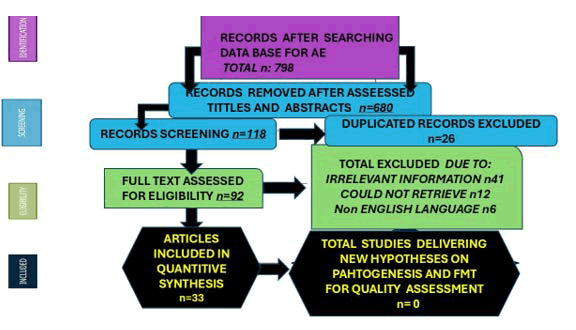
Figure 1: PRISMA flow diagram with included publications
To provide an accurate assessment of this search, the corresponding author used a QUADAS-2 evaluation to determine that the risk of bias was low/moderate for almost all publications, and we considered the substantial technical differences observed across diagnostic protocols used in several studies. Notably, in some publications, small and mixed cohorts were analysed, including different types of diagnostic procedures, resulting in fewer cases examined under the same protocol.
Comments and final remarks
Brief comments on AE therapy. Treatment of autoimmune encephalitis includes [7]:
• Rapid immunotherapy.
• Symptomatic management.
• Treat the underlying tumour if applicable.
• Prevent secondary neurological injury.
• Long-term rehabilitation
Early recognition and rapid treatment with immunotherapy are important for preventing further inflammation, seizures, and synaptic dysfunction. If not treated, this may lead to irreversible damage [8].
Early and aggressive immunotherapy is associated with better outcomes. Immunotherapy should be started once infectious aetiologies are excluded, confirming the specific autoimmune antibody should not delay immunotherapy [7].
There are three therapeutic strategies for first-line treatment of autoimmune encephalitis. This includes steroids, Intravenous Immunoglobulin (IVIg) and Therapeutic Plasma Exchange (TPE) [8].
No research comparing the three, however, steroids are, in most cases, used first, but they are likely to worsen an ongoing infectious encephalitis, unlike IVIG and TPE. In the end, the treatment decision is made depending on the clinician's personal experience, the resources of the centre, and the comorbidities of the patient [9].
Corticosteroids are the most used because they are widely available worldwide, are quite effective and have a better safety profile. Mechanism of action: Immunomodulatory effect, they suppress both humoral and cellular responses by suppressing transcription of multiple pro-inflammatory genes. There are two main ways of dosing [9]:
• Give methylprednisolone 1 g/day intravenous for five days. In some cases, this is followed by a slow prednisone tapering.
• Long-term oral prednisone 1 mg/kg/day with slow tapering off depending on the clinical response to note, long-term steroid use is usually not recommended, mainly due to the chronic metabolic side effects [9]. Can lead to systemic side effects due to a lack of specificity for antibody-mediated immune processes [5]. Acute adverse effects include behavioural changes and psychosis, which limit their use in patients who present with severe psychiatric symptoms [9]. Blood pressure and glycaemic levels need to be monitored closely. It is also contraindicated if there are active infections present [91]. Caution should also be taken in suspected lymphomas and systemic autoimmunity because it may affect biopsy results [10].
• Other important medical treatment is the administration of Intravenous Immunoglobulin (IVIg). Pooled polyclonal IgG from thousands of donors. Made by Cohn's process (cold ethanol fractionation) of human plasma derived from 5,000 to 10,000 healthy donors after removing coagulation factors. The product is purified by enzymatic treatment, followed by fractionation and chromatography [11].
Mechanism of action: IVIg has several mechanisms of action. This includes potential neutralisation of pathogenic autoantibodies, acceleration of the catabolism of IgG antibodies, inhibition of complement binding, suppression of pathogenic cytokines, blockage of specific receptors on macrophages, inhibition of the differentiation and maturation of dendritic cells and downregulation of costimulatory molecules associated with cytokine secretion and antigen presentation [11,12].
Accurate response to treatment can be seen as early as 8 days after initiating treatment [12]. The most common dosage used: Cycles of 400 mg/kg daily for 5 days [10].
Acute side effects include headache, dizziness, nausea, fever, hyper and hypotension and are related to highinfusion rates. Other rare adverse effects include have been anaphylaxis, aseptic meningitis, and arteriovenous thrombotic events. Risk needs to be considered in patients with an increased risk of thrombosis, such as cancer or smoking [9]. Use may also worsen hyponatraemia due to volume expansion, which may worsen brain oedema [13].
• Therapeutic Plasma Exchange (TPE) is a procedure that removes circulating autoantibodies and other humoral factors from the bloodstream [9]. Two main techniques include filtration and centrifugation. Centrifugation is commonly preferred due to its lower impact on haemodynamics, as it does not require a central line, unlike filtration [9]. It is an effective option for acute immunomodulation. Provides potentially faster immunomodulation in patients with severe or fulminant presentation [10]. Most centres do 1 to 2 exchanges per day for 5 days. 1 to 1.5 plasma volume exchanged. Its limitations are availability, costs, and poor tolerances. It is therefore usually only considered when the other first lines have failed or cannot be used [9]. There are not known psychiatric side effects and no noted increased risk of thromboembolism [10]. This procedure is contraindicated if the patient is haemodynamically unstable or there are an associated hypotension, fever, electrolyte disturbances and headache. Catheter-associated infections may also occur [9].
• The first-line immunotherapies for autoimmune encephalitis are listed in Table 1.
| Drug | Dosage |
| Steroids | Methylprednisolone 1 g/24 h for 3 to 5 days |
| Prednisone 1 mg/kg/day (long-term) | |
| None | |
| Severe infections | |
| Systemic mycosis | |
| Agitation | |
| Psychosis | |
| Hyperglycaemia | |
| IVIG | 2 g/kg over 2-5 days |
| None | |
| IgA deficiency | |
| Anti-IgA antibodies | |
| Infusion rate dependent: | |
| Hyper/hypotension | |
| Fever | |
| Headache | |
| Dizziness | |
| Aseptic meningitis | |
| Thrombotic events | |
| TPE | 1 session a day, exchanges every other day or consecutively |
| 5 to 7 cycles | |
| None | |
| Hemodynamic instability | |
| Hypotension | |
| Headache | |
| Catheter-associated infections |
Table 1: Comparison of steroids, IVIG, and therapeutic plasma exchange therapies including dosage regimens, contraindications, and associated adverse effects
There is no clear indication when to start second-line immunotherapy. Most clinicians escalate to the second line if there is a poor response to the first-line treatment after 2 to 4 weeks [9].
Second-line treatment includes Rituximab and Cyclophosphamide.
Rituximab is a monoclonal antibody that targets the CD20 surface protein of B cells and pre-B lymphocytes, causing B-cell depletion. It leads to reduced antibody production and suppression of intrathecal autoimmunity. It is overall effective and well-tolerated [9]. Fewer side effects compared to cyclophosphamide, therefore preferred even though it is not as effective. Two IV protocols: Either weekly administration of 375 mg/m2 for 4 weeks, or 1 g twice within 15 days. The main contraindication is severe heart disease and active infections. Before administration, severe infectious diseases should be excluded, like HIV, TB and Hepatitis B/C [9].
Complications include risk of infection, hypogammaglobinaemia, hepatitis B reactivation and progressive multifocal leukoencephalopathy (rare) [2]. Premedication is given to avoid infusion rate-dependent side effects like fever, headache, hypoxia and pruritus [14].
Cyclophosphamide is an antineoplastic agent with cell immunomodulatory activity. It suppresses B-cell proliferation, T-cell proliferation and cytokine production. Either 1 g monthly or 750 mg/m2 monthly for a maximum of 12 cycles. It is contraindicated in severe renal failure or urinary obstruction, active infections, severe bone marrow failure, pregnancy, or breastfeeding [9].
Other side effects include leukopenia, alopecia, secondary neoplasms, and gamete genotoxicity leading to infertility [9,15].
The second-line immunotherapies for autoimmune encephalitis are listed in the following Table 2.
The third-line therapy drugs are shown in Table 3
In Table 4 we summarized the symptomatic management of AE
| Drug | Dosage |
| Rituximab | 375 mg/m3/weekly for 4 weeks |
| or 1 g twice within 15 days | |
| Paracetamol | |
| Antihistamines | |
| Severe heart failure | |
| Severe infections | |
| Infusion rate dependent: | |
| Hypotension | |
| Hypoxia | |
| Headache | |
| Pruritus | |
| Opportunistic infections | |
| Cyclophosphamide | 1 g/month |
| 750 mg/m3/month for 3 to 6 months | |
| Mesna | |
| Hydration | |
| Pregnancy or breastfeeding | |
| Bone marrow failure | |
| Acute infection | |
| Severe renal failure | |
| Leukopenia | |
| Haemorrhagic cystitis | |
| Infections | |
| Infertility | |
| Alopecia |
Table 2: Summary of rituximab and cyclophosphamide treatment regimens, including dosage schedules, precautions, contraindications, and potential adverse effects
| Name | Mechanism and function | Side effect and contraindications |
| Bortezomib | Proteasome inhibitor | Injection: 1.3 mg/m2 Twice weekly for 2 weeks |
| Induces cell-cycle arrest and apoptosis of short- and long-lived plasma cells in peripheral blood and bone marrow. | ||
| Depletes antibody-producing plasma cells, lowering the number of autoantibodies | ||
| Infusion reactions | ||
| Cytopenia | ||
| Heart failure | ||
| Infection | ||
| Herpes reactivation | ||
| Acute lung injury | ||
| Neuropathy | ||
| CI: Allergy | ||
| Heart failure and hypotension thrombocytopenia (caution) | ||
| Tocilizumab | Humanised anti-IL-6 receptor antibody | IV 8 mg/kg |
| Blocking IL-6-mediated signal transduction | ||
| Cannot directly delete B cells | ||
| It can indirectly reduce the number of antibody-producing cells | ||
| Inducing the differentiation and proliferation of B cells. Keep plasma cells alive. Induce helper T cell differentiation | ||
| Producing other cytokines, e.g. IL-17 | ||
| Stimulate cytotoxic T cells | ||
| Infusion reactions | ||
| Infection | ||
| Neutropenia | ||
| Hypertension | ||
| Meningoencephalitis | ||
| Cognitive impairment leukoencephalopathy | ||
| Autoimmune encephalitis | ||
| CI: Allergy | ||
| Severe infection | ||
| GI perforation | ||
| Treat tuberculosis if present first. | ||
| Daratumumab | Humanized IgG1 | 16 mg/kg IV |
| Primarily targets CD38 surface proteins in plasma cells | ||
| Can induce B-cell-associated tumour cell death through various mechanisms. | ||
| Depleting antibody-producing plasma cells, lowering number of autoantibodies. | ||
| Infection | ||
| Fatigue | ||
| Nausea | ||
| Anaemia | ||
| Neutropenia | ||
| Diarrhoea | ||
| Tracheobronchitis | ||
| Fever | ||
| CI: Allergy | ||
| Severe infection | ||
| Tafacitinib | A selective inhibitor of the JAK family of tyrosine kinases | 5 mg twice daily po |
| Passing through (BBB) | ||
| Modulates immune response to various cytokine receptors. | ||
| Neutropenia | ||
| Headaches | ||
| Diarrhoea | ||
| Upper respiratory tract infection | ||
| GI perforation | ||
| CI: Allergy | ||
| Severe infection | ||
| GI perforation | ||
| If tuberculosis present treat first | ||
| Rapamycin | Inhibiting T-cell-mediated immune response | Headache |
| Nausea | ||
| Dizziness | ||
| Epistaxis | ||
| Joint pain Thrombocytopaenia | ||
| Leukopenia | ||
| Hypercholesterolaemia, Hyperglycaemia, Elevated liver enzymes | ||
| CI: Allergy, severe infections |
Table 3: Overview of emerging immunotherapies, including mechanisms of action, dosage regimens, adverse effects, and contraindications in autoimmune disorders
| Symptoms | Management |
| Psychosis/Mania/Agitation | Acute immunotherapy |
| Benzodiazepines | |
| Antipsychotics | |
| Mood stabilisers | |
| Safety measures | |
| Seizures | Acute immunotherapy |
| Anti-seizure medication | |
| Medically induced coma if needed (Midazolam or propofol) | |
| Movement disorders | Acute immunotherapy |
| Benzodiazepines | |
| Anticholinergics | |
| Muscle relaxants | |
| Dopamine blockers (e.g. risperidone for hyperkinetic movements) | |
| Dopamine agonists for hyperkinetic movements | |
| Dysautonomia | Acute immunotherapy |
| ICU management if severe | |
| Temporary pacemaker for severe arrhythmias | |
| Increased sympathetic drive: | |
| Beta blockers, alpha-2-blockers and acetylcholine esterase inhibitors (pyridostigmine) | |
| Symptomatic postural hypotension | |
| Midodrine and fludrocortisone droxidopa | |
| GIT dysmotility: | |
| TPN | |
| Bladder incontinence: | |
| Bladder incontinence | |
| Sleep disorders | Evaluate residual sleep disorders with polysomnography. |
| Treatment: | |
| Acute immunotherapy | |
| Sleep hygiene | |
| Melatonin | |
| Benzodiazepine or non-benzodiazepine hypnotics | |
| For excessive daytime sleepiness: | |
| Wake-promoting agent or stimulants |
Table 4: Management strategies for neuropsychiatric, seizure, movement, autonomic, and sleep-related symptoms in autoimmune encephalitis
The main indication for Intensive Care Unit (ICU) includes refractory status epilepticus, severe dysautonomia and respiratory compromise [2]. The admission in ICU includes managing fever from infectious and non-infectious causes, carefully monitoring vital signs, and managing potential severe hyponatraemia. On rare occasions, intracranial pressure monitoring might be needed [2]. The patient usually gets sedation, antiseizure medication and other symptomatic therapies. Propofol, volatile gases (except Nitrous oxide), muscle relaxants, benzodiazepines, opioids, beta blockers and alpha-2 agonists are safe to use [10].
In cases presenting paraneoplastic autoimmune encephalitis, it is essential to remove the tumour, because it is the stimulator antigen. It will reduce antibody production and improve neurological outcomes [2].
Regarding to long-term outcomes, about 80% of patients have substantial improvement or full recovery. The process is slow, often taking over 6 to 9 months. Patients may relapse or have long-term cognitive or behavioural deficits. Long-term symptoms may include cognitive symptoms, seizures, psychiatric symptoms, sleep disorders, autonomic symptoms, brainstem and cerebellar deficits [2]. On the other hand, 53% of patients report long-term cognitive difficulties [15]. The most common cognitive residual symptoms are memory loss, followed by executive dysfunction and attention deficit. Difficulties in visuospatial function, language and social cognition are less common (less than 10%). Delayed immunotherapy (>12 weeks) is associated with dementia (aOR 21.48 (5.3186) [15].
The frequency of epileptic seizures reduces over time. Long-term seizures are reported in 26% patients. Common in paraneoplastic antibodies, LGI1, seronegative and NMDAR encephalitis and the most common residual seizures are focal seizures with impaired awareness, followed by focal seizures with awareness, then bilateral tonic-clonic seizures [15].
The commonest residual psychiatric symptom is depression. Most frequent in high-risk paraneoplastic, GAD65, seronegative, LGI1 and NMDAR encephalitis. Predictors of depression are medial temporal atrophy (aOR 6.05 (2.26-16.21)) and need for cyclophosphamide therapy (aOR 4.36 (1.32-14.43) [15]. Most frequent with high-risk paraneoplastic, seronegative, NMDAR, LGI1 and GAD65 encephalitis and the most common sleep disorders include sleep apnoea, insomnia, hypersomnolence and REM sleep behaviour disorder [15].
The same authors reported that the most frequent vestibulocerebellar symptoms include horizontal vestibular nystagmus followed by gait ataxia while bladder dysfunction is quite often autonomic symptom seen [15].
Brief comments on the future of autoimmune encephalitis
Advances in diagnostic and treatment areas in autoimmune encephalitis have been reported by several investigators including neurological biomarkers. There are advancements in testing neurological biomarkers of neuroinflammation, neurodegeneration and synaptic dysfunction across various neurological disorders [12]. In Table 5 are highlighted the respective are of action where some biomarkers are working.
| Area | Biomarkers |
| Biomarkers of neuroaxonal or neuronal damage | Neurofilament light change |
| Total tau, Visinin-like protein | |
| Biomarkers of synaptic dysfunction | Synaptosomal-associated protein-2S |
| Neurogranin | |
| Biomarkers of astroglia activation | Chitansae-3-like protein |
| S100B | |
| Biomarkers of astrocyte damage | Glial fibrillary acid protein |
Table 5: Summary of biomarkers associated with neuroaxonal injury, synaptic dysfunction, astroglial activation, and astrocyte damage in neurological disorders
Among the biomarkers being studied, Neurofilament Light Chain (NFL) biomarkers stand out as clinically promising. NFL levels in patients with autoimmune encephalitis consistently exceeded both pathological cut-off values compared to healthy controls and patients with other neurological conditions. This biomarker may therefore help in the diagnosis of autoimmune encephalitis.
NFL may also help with prognostication. Levels rise with acute neuronal damage, decrease during recovery and after immunotherapy and rise again during relapse. This can help monitor the response to treatment, the recovery period, and pick up when the patient might be relapsing. Levels are also linked to severity; this may help with initial treatment decision-making [13].
Additional brief comments on neuroimaging and other investigations
Improvements in MRI scan quality have enabled more accurate detection of alterations in superficial white-matter diffusivity, hippocampal and frontotemporal connectivity, and hippocampal microstructural integrity. These findings have been found to be associated with memory, attention and cognitive impairment in anti-NMDAR or LGI1 encephalitis [14].
In EEG reports, patterns of extreme delta brush and absence of normal posterior alpha rhythms have been documented as an important prognostic value in NMDAR encephalitis [14].
Video polysomnography may reveal symptoms that might be underestimated or overlooked. May change treatment and long-term outcomes [14].
The FDG-PET studies have proven a high sensitivity compared to MRI scans being more accurate in cases where MRI does not confirm the final diagnosis [14,15].
Brief comment on the current ongoing clinical trials
• Satralizumab (UCSF, 2022). Study title: A Study to Evaluate the Efficacy, Safety, harmacokinetics (PK), and Pharmacodynamics (PD) of Satralizumab in Participants with Anti-N-methyl-D-aspartic Acid Receptor (NMDAR) or Anti-leucine-rich Gliomainactivated 1 (LGI1) Encephalitis. Lead Scientist: Dr Jeffrey Gelfand, professor of neurology. Location: University of California, San Francisco. Study phase: Phase III. Study period: September 2022 to December 2029. Study method: Randomised controlled trial. Double-blind, placebo controlled. Study information: Satralizumab is a humanised monoclonal antibody which targets. This research will examine the effects of NMDAR and LGI1 encephalitis. This drug has already been FDA-approved for AQP-4-positive neuromyelitis optica [16].
• Inebilizumab (Irvine, 2022). Title: A Phase-2b, Double-Blind, Randomised Controlled Trial to Evaluate the Activity and Safety of Inebilizumab in Anti-NMDA Receptor Encephalitis and Assess Markers of Disease (ExTINGUISH trial), Lead scientist: Xiao- Tang Kong, MD, Location: UC Irvine, University of Utah, Study phase: Phase-2b, Study period: March 2022 to September 2028, Study method: randomised controlled trial. Double-blind study. Participants will receive first-line treatment plus Inebilizumab or placebo. Inebilizumab depletes CD20 B cells, CD20 plasmablasts and plasma cells, unlike Rituximab. The study will examine the efficacy of anti-NMDAR encephalitis treatment [17]
In Table 6 are summarized the study design, demographic, population and the investigators were participating.
| Author, Year | Study Design | Population/Sample | Demographics | Focus Area |
| Abboud et al., 2021 | Consensus guideline Clinicians Network reviewed literature | 68 clinicians | Symptomatic and long-term management | |
| Alshutaihi et al., 2024 | Literature review | 28 publications, 356 patients | Predominant females, Age range 3-93 | Mimickers |
| Bordonne et al., 2021 | Systematic review/meta-analysis | 21 publications, 444 patients | Not noted | FDG-PET imaging |
| Borioni et al., 2025 | Systematic review | 31 studies were included Population size not noted | Not noted | Neuroglial biomarkers |
| Cabrera-Maqueda et al., 2025 | Review | Not noted | Not noted | Neuropsychiatric disorders |
| Chen et al., 2025 | Systematic review | 23 articles, 44 patients | Median age 50, (30.0-59.0 IQR), Male: n=22 (50%) | Anti-mGluR1 encephalitis |
| Cheng et al., 2023 | Cross-sectional | 147 patients | Age mean: 44.2 years. Male: n=80 (54.4%), Female: n=67 (45.6%) | BBB disruption impact on clinical features and treatment response |
| Ciano-Petersen et al., 2022 | Review | Not noted | Not noted | Immunotherapy |
| Dalakas | Review | Not noted | Not noted | IVIg therapy |
| Dalmau and Graus, 2022 | Review | Not noted | Not noted | Neuropsychiatric disorders |
| Dinoto et al., 2023 | Review | 58 articles, Total: 66 patients include | Median age-at-onset: 43.5(4-48), Male n=44 (67.7%) | Misdiagnosis and mimics |
| Gvert et al., 2023 | Retrospective cohort | 164 patients | CASPR2 n=149, Female: male (% male), 17: 132 (88.6%), Age: median (IQR) 68 (20-85) CASPR2/LGI1 n=115, Female: male (% male), 3:12 (80) Age: median (IQR) 58 (41-78), LGI1 n=105, Female: male (% male) 46:59 (56) Age: median (IQR) 65 (22-86) | Movement disorders in specific autoimmune encephalitis |
| Guasp and Dalmau, 2025 | Review | Not noted | Not noted | Autoimmune encephalitis overview |
| Guasp and Dalmau, 2024 | General review | Not noted | Not noted | Future of autoimmune encephalitides |
| Hansen and Time us, 2021 | Review | Not noted | Not noted | Psychiatric features |
| Hbert et al., 2022 | Review | Not noted | Not noted | Autoantibodies |
| Kelly et al., 2024 | Cross-sectional, retrospective study | 192 patients | Median age: 66, (19-92) years Female n=71 (37%), Male n=121 (63%) | MRI findings |
| Lee et al., 2022 | Therapeutic study | 18 patients completed | Age: (mean, SD), 48.8, 17.4 | IVIg efficacy |
| Pai et al., 2024 | Review | Not noted | Not noted | CNS injury mechanisms in autoimmune encephalitis |
| Paramasivan et al., 2026 | Observational cohort | 86 patients | Median age: 63, years (31-83), Female: 42% (8) | GABAB receptor encephalitis |
| Qin et al., 2021 | Cohort study | 25 patients | Age: Median: 43, (from 3 to 79 years) Female: 32% (n=8), Male: 68% (n=17) | CASPR2 encephalitis |
| Ramirez-Bermudez et al., 2025 | Cohort study | 195 psychotic patients | Mean age: 29.42, years (SD 11.02), Female: 50%, (n=82) | Autoimmune psychosis |
| Ronchi & Silva, 2022 | Systematic review | 26 articles Total: 153 patients | GABAa, n = 391 Age: 39.78, Male: 22 (56%), GABAb, n = 1151 Age: 57,38, Male: 76 (66%) | GABAa vs. GABAb autoimmune encephalitis |
| Shang et al., 2024 | Review | Not noted | Not noted | B-cell therapies |
| Smith et al., 2024 | Review | Not noted | Not noted | Autoimmune epilepsy |
| Thakolwiboon et al., 2025 | Retrospective observational study | 182 patients | Age, median (IQR) 57 (37-68) years Female, n (%) 79-43% | Long-term outcomes |
Table 6: Summary of biomarkers associated with neuroaxonal injury, synaptic dysfunction, astroglial activation, and astrocyte damage in neurological disorders
Final brief comments on novel therapies for AE
The Janus kinases (JAKs), signal transducer and activator of transcription proteins (STA) signaling pathway is known as a group of interactions between proteins intracellularly involved in processes such as cell division, immunity, apoptosis, and tumours formation. Relationship between the AE and dysregulation of JAK-STAT has been well documented by Pandey et al.; therefore, therapeutic program administrating JAK-STAT inhibitors and SOCS mimetics to modulate immune responses and alleviate autoimmune manifestations of AE has shown potential therapeutic options [18].
Based on our comprehensive review of the literature and our studies done before on the effect of dysbiosis on the CNS [19-22], we hypothesised that some bacterial species such as Prevotella copri, Ruminococcus gnavus, and Ligilactobacillus salivarius are associated with AE as has been reported by other authors under different circumstances [23]. Nevertheless, dysregulated gut microbiota might activate host immune responses through multiple mechanisms, including systemic translocation, compromised intestinal barrier, molecular mimicry of self-antigen epitopes, and changes in microbiotaderived metabolites (lipid metabolism dysregulation), thereby substantially contributing to the development and progression of AE.
We documented several times before that microbial metabolite, including tryptophan metabolites, short-chain fatty acids imbalance inhibiting histone deacetylases and modulating oxidative phosphorylation and glycolipid metabolism, immune responses, autoantibody production plus bacterial lipopolysaccharides and bile acid metabolites (in cases of dysbiosis), are remarkable involved in the pathogenesis of many CNS disorders modulating the disease progression, immune therapy response and prognosis through immune cell development, functional regulation, chronic inflammation, self-immune activation and pathogen defence [19-22].
Based on the before cited investigations, we hypothesised that pathophysiology of AE might be linked to translocation of Enterococcus driving IFN expression and autoantibody production. We also speculated that reduced “good” bacteria such as Bifidobacterium and Lactobacillus plus elevated concentration of “bad” bacteria like Enterococcus and E. coli are part of the pathogenesis in cases presenting AE associated to gut microbiota dysbiosis (Figure 2).
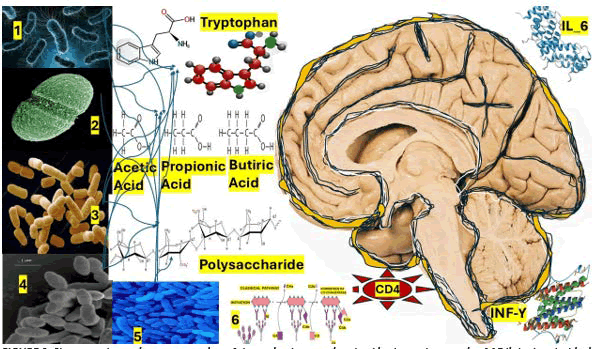
Figure 2: Shows a schematic representation of the main elements involved in the pathogenesis of AE linked to dysbiosis. 1) Echerichia coli, 2) Enterococcus faecalis, 3) Ligilactobacillus salivaris, 4) Rominococcus gnavus, 5) Prevotella copris, 6) Complement activation
Finally, we propose that probiotics (notably Lactobacillus and Bifidobacterium) and prebiotics may be administer to AE patients for better control of their inflammation and decrease the autoantibody production to alleviate AE severity considering that faecal microbiota transplantation (thirty oral capsules) is highly effective for microbiota restoration by increasing enriched SCFA-producing bacterial taxa, gut SCFA synthesis, reducing inflammationrelated taxa, and lowering peripheral blood IL-6 levels and CD4+ memory/naive ratios without danger side effects or deaths. However, to support of rejection of our postulates, well-designed clinical trial should be performed.
Conclusion
The total amount of publication regarding new hypotheses of pathogenesis and novel therapy for AE is scarce and no report on novel hypotheses or Faecal Microbiota Transplantation (FMT) for therapy of AE on top of the current clinical trials was identified. We hypothesised that the administration of FMT may contribute to alleviate the neuropsychiatric symptoms of AE leading to a better outcome. To the best of our knowledge, this is the first attempt to propose a novel therapeutic procedure for patients presenting AE. However, a well-designed randomised clinical trial must be done to prove or reject our hypotheses.
Acknowledgment
To thanks to Prof Thozama Dubula for his unconditional support.
Ethics Statement
This review does not require ethical approval.
Patient Privacy
All patient-identifying information has been removed to ensure anonymity.
Conflicts of Interest
Authors of this review report there is not conflicts of interest.
References
- K. Ketabi, M. Haddad, F. Rezayitalab, Z. Baghestani, P. Oliazadeh, Anti-Gad autoimmune encephalitis: A case report, BMC Neurol, 26(2026):167.
[Crossref] [Google Scholar] [PubMed]
- J. Dalmau, F. Graus, Antibody-mediated neuropsychiatric disorders, J Allergy Clin Immunol, 149(2022):37–40.
[Crossref] [Google Scholar] [PubMed]
- M. Guasp, J. Dalmau, Autoimmune encephalitis, Med Clin North Am, 109(2025):443–461.
[Crossref] [Google Scholar] [PubMed]
- V. Pai, H. Kang, S. Suthiphosuwan, A. Gao, D. Mandell, et al. Autoimmune encephalitis: Insights Into immune-mediated central nervous system injury, Korean J Radiol, 25(2024):807–823.
[Crossref] [Google Scholar] [PubMed]
- Y. Yucel, N.O. Sidow, A. Yilmaz, Approach and overview of autoimmune encephalitis: A review, Medicine (Baltimore), 104(2025):e42472.
[Crossref] [Google Scholar] [PubMed]
- X. Cheng, Y. Li, Y. Wang, Y. Sun, Y. Lian, Impact of blood-brain barrier disruption on clinical features and treatment response in patients with newly diagnosed autoimmune encephalitis, J Neuroimmunol, 383(2023):578203.
[Crossref] [Google Scholar] [PubMed]
- H. Abboud, J.C. Probasco, S. Irani, B. Ances, D.R. Benavides, et al. Autoimmune encephalitis: Proposed best practice recommendations for diagnosis and acute management, J Neurol Neurosurg Psychiatry, 92(2021):757–768.
- S. Thakolwiboon, M. Gilligan, E. Orozco, J.W. Britton, D. Dubey, et al. Autoimmune encephalitis: Recovery, residual symptoms and predictors of long-term sequelae, J Neurol Neurosurg Psychiatry, 96(2025):736–743.
[Crossref] [Google Scholar] [PubMed]
- N.L. Ciano-Petersen, S. Muñiz-Castrillo, A. Vogrig, B. Joubert, J. Honnorat, Immunomodulation in the acute phase of autoimmune encephalitis, Rev Neurol (Paris), 178(2022):34–47.
[Crossref] [Google Scholar] [PubMed]
- J. YANG, X. LIU, Immunotherapy for refractory autoimmune encephalitis, Front Immunol, 12(2021):790962.
[Crossref] [Google Scholar] [PubMed]
- J. Ramirez-Bermudez, M. Espinola-Nadurille, M. Restrepo-Martinez, V. Martínez-Ángeles, F. Martínez-Carrillo, et al. Autoimmune psychosis: Psychopathological patterns and outcome after immunotherapy, Schizophr Res, 281(2025):10–19.
[Crossref] [Google Scholar] [PubMed]
- M.J. Kelly, E. Grant, A.G. Murchison, S. Binks, S. Ramanathan, et al. Magnetic resonance imaging characteristics of LGI1-antibody and CASPR2-antibody encephalitis, JAMA Neurol, 81(2024):525–533.
[Crossref] [Google Scholar] [PubMed]
- M. Bordonne, M.B. Chawki, M. Doyen, A. Kas, E. Guedj, et al. Brain 18F-FDG PET for the diagnosis of autoimmune encephalitis: A systematic review and a meta-analysis, Eur J Nucl Med Mol Imaging, 48(2021):3847–3858.
- J. Hébert, A. Muccilli, R.A. Wennberg, D.F. Tang-Wai, Autoimmune encephalitis and autoantibodies: A review of clinical implications, J Appl Lab Med, 7(2022):81–98.
[Crossref] [Google Scholar] [PubMed]
- A. Dinoto, P. Zara, S. Mariotto, S. Ferrari, E.P. Flanagan, et al. Autoimmune encephalitis misdiagnosis and mimics, J Neuroimmunol, 378(2023):578071.
[Crossref] [Google Scholar] [PubMed]
- UCSF, UCSF Anti-NMDA Receptor Encephalitis Trial: (PK), and Pharmacodynamics (PD) of Satralizumab in Participants with Anti-N-methyl-D-aspartic Acid Receptor (NMDAR) or Anti-leucine-rich Glioma-inactivated 1 (LGI1) Encephalitis, (2022).
- UC Irvine, Extinguish trial of Inebilizumab in NMDAR encephalitis, (2022).
- R. Pandey, M. Bakay, H. Hakonarson, SOCS-JAK-STAT inhibitors and SOCS mimetics as treatment options for autoimmune uveitis, psoriasis, lupus, and autoimmune encephalitis, Front Immunol, 14(2023):1271102.
[Crossref] [Google Scholar] [PubMed]
- L.F. Valdés, H.F. Sibat, The role of oxidative stress in neurocysticercosis: A comprehensive research, Clin Schizophr Relat Psychoses, 17(2023).
- L.F. Ibañez Valdés, H. Foyaca Sibat, Comorbidity of alcohol used disorder and neurocysticercosis aggravated by dysbiosis, J Drug Alcohol Res, 13(2024):236417.
- L.F. Ibañez Valdés, H. Foyaca-Sibat, Impact of gut dysbiosis on neuromyelitis optica spectrum disorder: Implications for alcohol and substance use, J Drug Alcohol Res, 13(2024):236418.
- L.F. Ibanez Valdes, H. Foyaca-Sibat, New proposal of therapeutic drug for depression in Parkinson’s disease, J Drug Alcohol Res, 15(2026):171193.
- L. Zeng, Q. Yang, Y. Luo, Y. Luo, L. Sun, The gut microbiota: Emerging evidence in autoimmune and inflammatory diseases, Research (Wash D C), 9(2026):1097.
[Crossref] [Google Scholar] [PubMed]
Copyright: © 2026 Sandisiwe Kema, et al. This is an open access article distributed under the terms of the Creative Commons Attribution License, which permits unrestricted use, distribution and reproduction in any medium, provided the original work is properly cited.