
Research Article: Journal of Drug and Alcohol Research (2026) Volume 15, Issue 6
New Information on Functional Neurological Disorder and Drug Therapy
Sandisiwe Kema1, Lourdes de Fatima Ibanez Valdes2, Sibi Joseph2 and Humberto Foyaca Sibat2*2Department of Internal Medicine and Therapeutics, Nelson Mandela Academic Hospital, Walter Sisulu University, South Africa
Humberto Foyaca Sibat, Department of Internal Medicine and Therapeutics, Nelson Mandela Academic Hospital, Walter Sisulu University, South Africa, Email: humbertofoyacasibat@gmail.com
Received: 15-Apr-2026, Manuscript No. JDAR-26-190304; Editor assigned: 17-Apr-2026, Pre QC No. JDAR-26-190304 (PQ); Reviewed: 01-May-2026, QC No. JDAR-26-190304; Revised: 27-May-2026, Manuscript No. JDAR-26-190304 (R); Published: 03-Jun-2026, DOI: 10.4303/JDAR/236516
Abstract
Introduction: Functional Seizures (FS), also referred to as functional dissociative seizures, are among the most prevalent manifestations of Functional Neurological Disorder (FND) in both adult and paediatric populations. FND and FS are associated with substantial healthcare utilization, frequent hospital admissions, repeated diagnostic investigations, and significant economic burden. Historically regarded as diagnoses of exclusion, FND and FS are now recognised as “rule-in” conditions based on characteristic clinical signs and positive diagnostic features. Recent advances in neurobiology have highlighted the role of altered brain network functioning, predictive processing abnormalities, neurotransmitter dysregulation, and central sensitization in symptom generation. In this context, neurological agents such as pregabalin, which modulate neuronal excitability and neurotransmitter release, have attracted increasing interest as potential adjunctive therapies for managing comorbid symptoms frequently observed in FND, including chronic pain, sensory disturbances, anxiety, sleep dysfunction, and heightened autonomic arousal. The primary objective of this review is to summarize current evidence regarding FND while exploring the potential therapeutic relevance of pregabalin within a multidisciplinary management framework.
Objectives: This study aimed to review the contemporary medical literature on Functional Neurological Disorder (FND), including its pathophysiology, clinical manifestations, diagnosis, prognosis, and treatment strategies, with particular emphasis on the potential role of pregabalin in the management of associated neurological and neuropsychiatric symptoms.
Methods: PubMed, MEDLINE, and Cochrane Review databases were searched using the Boolean terms: (“functional neurological disorder” OR “functional neurological symptom disorder”) AND (“pathophysiology” OR “diagnosis” OR “treatment” OR “prognosis”). Additional searches were performed using: (“functional neurological disorder”) AND (“functional movement disorder” OR “functional non-epileptic seizures” OR “functional cognitive disorder” OR “pregabalin” OR “neuropathic pain” OR “anxiety”). The search included publications from January 2020 to June 2026. Eligible studies comprised peer-reviewed articles, systematic reviews, narrative reviews, and original research publications. Non-English articles, duplicate records, and studies not primarily focused on FND were excluded. The systematic review followed the PRISMA 2020 reporting guidelines.
Results: A total of 219 records were identified through the database search. Following title and abstract screening, 115 studies were excluded. After duplicate removal, 72 full-text articles were assessed for eligibility. Twenty-three studies were excluded because full-text access was unavailable, and eight were excluded because complete English translations could not be obtained. Additional studies were excluded due to limited relevance to FND. Ultimately, 24 studies met the inclusion criteria. The reviewed literature demonstrated that FND is a multifactorial disorder involving abnormalities in self-agency, emotional processing, attention, predictive coding, and sensorimotor integration. Several studies also highlighted the frequent coexistence of chronic pain, fatigue, anxiety disorders, sleep disturbances, and sensory symptoms. Although pregabalin is not currently established as a disease-specific treatment for FND, available evidence suggests that it may provide symptomatic benefit in selected patients by reducing central sensitization, modulating excitatory neurotransmission, improving sleep quality, alleviating anxiety symptoms, and contributing to the management of chronic pain syndromes frequently associated with FND.
Conclusions: Early diagnosis, effective communication, and multidisciplinary management remain fundamental to improving outcomes in patients with FND. Growing evidence supports a neurobiological framework that integrates functional brain network alterations, neurotransmitter dysregulation, and biopsychosocial factors. While pregabalin should not be considered a primary treatment for FND itself, it may serve as a valuable adjunctive pharmacological option for selected patients presenting with pain-related symptoms, sensory disturbances, anxiety, and sleep dysfunction. Further prospective clinical studies are required to clarify its therapeutic role, long-term safety, and potential impact on functional recovery. To the best of our knowledge, this review represents one of the first attempts to integrate contemporary FND pathophysiology with a drug-focused perspective highlighting the potential relevance of pregabalin within a comprehensive treatment mode
Keywords
Introduction
Functional Seizures (FS), also referred to as functional dissociative seizures, represent one of the most common manifestations of Functional Neurological Disorder (FND) in both adult and paediatric populations. FND and FS are associated with substantial healthcare utilization and economic burden, frequently resulting from repeated emergency presentations, extensive diagnostic investigations, prolonged hospital admissions, and unnecessary therapeutic interventions. Historically, FND was regarded as a diagnosis of exclusion that required exhaustive investigations before confirmation. However, advances in clinical neuroscience have established FND and FS as “rule-in” diagnoses based on characteristic clinical signs and positive examination findings.
Moulton and colleagues described the case of a 14-yearold male who experienced multiple seizure-like episodes without returning to his neurological baseline. The patient was intubated for presumed convulsive status epilepticus despite normal vital signs, toxic-metabolic investigations, neuroimaging, and electrocardiographic findings. Subsequent video-electroencephalography demonstrated episodes of limb stiffness, asynchronous limb movements, pelvic thrusting, and forceful eye closure without epileptiform activity, confirming the diagnosis of functional seizures. This case highlights the potential for misdiagnosis and illustrates how delayed recognition of FS may expose patients to unnecessary invasive procedures, increased healthcare costs, and iatrogenic harm [1].
Functional neurological disorder is currently recognized as a complex neuropsychiatric condition involving abnormal interactions within neural networks responsible for motor control, sensory processing, emotional regulation, attention, self-agency, and cognitive functioning [2]. Contemporary models suggest that symptoms arise from disturbances in brain network connectivity rather than structural neurological damage. Neurobiological studies have demonstrated alterations involving limbic circuits, salience networks, sensorimotor pathways, and predictive processing mechanisms, which collectively contribute to symptom generation and maintenance [3].
The pathophysiology of FND is multifactorial and involves dysregulation of emotional processing systems, heightened autonomic arousal, abnormal predictive coding, and impaired integration of sensory information. Hyperactivity of limbic structures such as the amygdala may influence motor and sensory networks, leading to altered perception and involuntary symptom expression [3]. Emerging evidence also suggests that abnormal excitatory neurotransmission, central sensitization, and disturbances in neuronal network modulation may contribute to symptom persistence in some patients. These neurobiological mechanisms have generated interest in pharmacological agents capable of modulating neuronal excitability, including pregabalin, a ligand of the α2δ subunit of voltage-gated calcium channels.
Pregabalin is widely used in the management of neuropathic pain, fibromyalgia, generalized anxiety disorder, and several conditions characterized by central sensitization. By reducing the release of excitatory neurotransmitters, including glutamate, noradrenaline, and substance P, pregabalin may attenuate neuronal hyperexcitability and abnormal sensory amplification. Although pregabalin is not currently considered a disease-specific treatment for FND, its pharmacological properties may be relevant in patients with coexisting chronic pain, sensory disturbances, sleep dysfunction, anxiety, and heightened physiological arousal, all of which are commonly reported in individuals with FND. Furthermore, because pregabalin has recognized therapeutic benefits as well as documented misuse and dependence potential, its role in neurological disorders warrants consideration within the broader context of drug research and clinical pharmacology.
FND is a common and disabling disorder in which neurological symptoms arise from altered brain functioning rather than structural pathology [4]. The condition affects multiple domains of nervous system function, including movement, sensation, cognition, consciousness, and autonomic regulation [5]. Clinical manifestations are heterogeneous and may include functional seizures, limb weakness, tremor, dystonia, gait abnormalities, sensory symptoms, dizziness, cognitive dysfunction, and fatigue. Many patients experience symptoms affecting several neurological domains simultaneously, resulting in significant impairment of daily functioning and reduced quality of life [3,4].
FND is currently recognized as the second most common diagnosis encountered in general neurology clinics after headache disorders [4,6]. The estimated prevalence ranges from 80 to 140 cases per 100,000 individuals, and annual healthcare expenditures associated with FND in the United States exceed two billion US dollars [4]. These costs are driven by repeated diagnostic evaluations, hospital admissions, specialist consultations, and inappropriate treatments that frequently occur before an accurate diagnosis is established.
Importantly, FND should be distinguished from factitious disorder and malingering. Symptoms are not consciously produced or intentionally fabricated but instead arise from complex interactions among biological, psychological, and social factors that influence brain function and symptom perception [4,6]. Over recent decades, understanding of FND has evolved substantially, moving away from historical concepts of hysteria and conversion disorder toward a modern biopsychosocial and neurobiological framework supported by advances in neuroscience, neuroimaging, and clinical research [4,7]. This paradigm shift has improved diagnostic accuracy, reduced stigma, and facilitated the development of evidence-based multidisciplinary treatment strategies.
Given the increasing recognition of neurobiological mechanisms underlying FND and the frequent coexistence of chronic pain, anxiety disorders, sleep disturbances, and sensory symptoms, there is growing interest in the potential role of pharmacological interventions targeting neuronal excitability and central sensitization. Among these, pregabalin represents a clinically relevant agent that may offer symptomatic benefit in selected patients while also raising important considerations regarding appropriate prescribing, misuse potential, and long-term safety. Therefore, the aim of this review is to provide an updated overview of functional neurological disorder, emphasizing contemporary concepts of pathophysiology, diagnosis, management, and prognosis, while exploring the potential relevance of pregabalin within a comprehensive multidisciplinary treatment framework.
Materials and Methods
Selection of studies
Titles and abstracts identified through the database search were independently screened by the authors. Full-text articles were subsequently assessed for eligibility. Studies lacking clear methodology, outcome measures, treatment protocols, or sufficient patient data were excluded.
Eligibility criteria
Inclusion criteria:
• Peer-reviewed original research articles, systematic reviews, meta-analyses, and narrative reviews.
• Studies evaluating the pharmacological effects, efficacy, safety, or clinical applications of pregabalin.
• Studies involving patients with neuropathic pain, epilepsy, fibromyalgia, or other neurological disorders treated with pregabalin.
• Publications reporting treatment outcomes, adverse events, or mechanisms of action.
Exclusion criteria:
• Articles without accessible full text.
• Non-English publications.
• Editorials, letters, conference proceedings, and book chapters.
• Studies lacking relevant clinical or pharmacological data.
• Duplicate publications.
Data extraction and quality assessment
The quality of included studies was evaluated using the National Institutes of Health (NIH) Quality Assessment Tools and QUADAS-2 criteria, where appropriate. Studies were categorized as good, fair, reasonable, or poor quality [8]. Quality assessments were conducted independently by all authors, and disagreements were resolved through discussion and consensus.
Data collection and bias assessment
Data were extracted from eligible publications and entered into a standardized Microsoft Excel database. The following information was collected:
• First author and publication year
• Country of study
• Study design
• Sample size
• Patient demographics
• Neurological condition treated
• Pregabalin dosage and duration
• Clinical efficacy outcomes
• Adverse events and safety findings
Risk of bias was assessed using QUADAS-2 methodology and relevant quality assessment frameworks. Most studies demonstrated a low-to-moderate risk of bias, although variations in study design, patient populations, dosage regimens, and outcome measures were noted.
Outcome measures
The primary objective of this review was to evaluate the therapeutic role of pregabalin in neurological disorders, particularly neuropathic pain. Outcome measures included:
• Pain reduction and symptom improvement
• Quality-of-life outcomes
• Functional recovery
• Seizure control in epilepsy
• Safety and tolerability profiles
• Adverse drug reactions
• Mechanistic insights related to calcium channel modulation and neurotransmitter release
Additionally, the review aimed to identify emerging evidence regarding the role of pregabalin in central sensitization, neurotransmitter reulation, and chronic pain modulation.
Statistical analysis
Descriptive and comparative analyses reported in the included studies were reviewed. Statistical analyses were performed using XLSTAT and RStudio where applicable. Results were summarized narratively, with emphasis on efficacy, safety outcomes, and therapeutic applications of pregabalin across neurological conditions.
Results and Discussion
Literature search
A total of 219 records were identified through database searches using terms related to pregabalin and neuropathic pain management. After title and abstract screening, 115 records were excluded. Following duplicate removal, 72 full-text articles were evaluated for eligibility. Among these, 23 studies were excluded because the full text was inaccessible, and 8 studies were excluded due to the lack of a complete English translation [9,10]. Additional articles were excluded because they did not specifically investigate the therapeutic efficacy, safety profile, pharmacological mechanisms, or clinical outcomes associated with pregabalin treatment. Ultimately, 24 studies were included in the final review and qualitative synthesis (Figure 1).
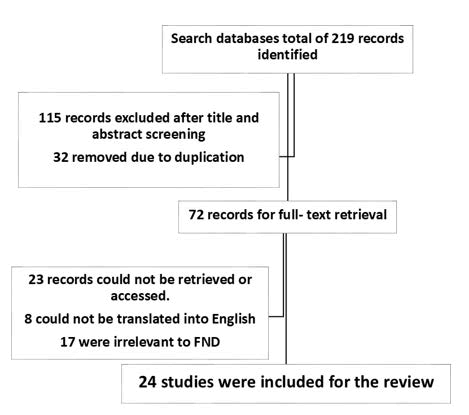
Figure 1: Flow diagram of functional neurological disorder review
As previously noted, FND refers to a condition caused by changes in the brain’s networks rather than its anatomical structure, as seen in many other neurological disorders. The physical symptoms of FND are typical and cannot be justified by changes in the brain anatomy. The exact cause of FND remains unknown, but the commonest symptoms are graphically represented in Figure 2.
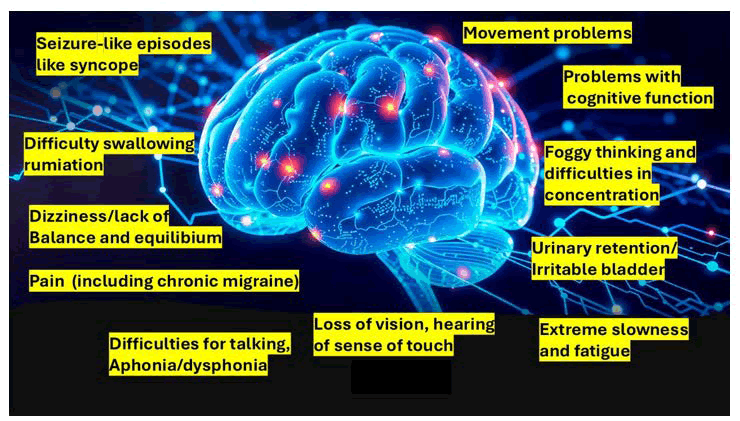
Figure 2: Neurological symptoms and functional impairments
Role of pregabalin in FND management
Currently, there are no pharmacological agents specifically approved for the treatment of Functional Neurological Disorder (FND). Management primarily focuses on patient education, physiotherapy, psychological interventions, and multidisciplinary rehabilitation. However, medications such as pregabalin may be prescribed to address coexisting symptoms and psychiatric comorbidities frequently observed in patients with FND, including anxiety disorders, chronic pain syndromes, sleep disturbances, and fibromyalgia-like symptoms.
Pregabalin is a structural analogue of Gamma- Aminobutyric Acid (GABA) that binds to the α2δ subunit of voltage-gated calcium channels, reducing the release of excitatory neurotransmitters such as glutamate, noradrenaline, and substance P [11]. Through modulation of neural excitability and stress-related neural circuits, pregabalin may help alleviate symptoms that contribute to the severity and persistence of FND manifestations. Given that altered emotional processing, heightened limbic activity, and dysregulated sensorimotor networks are implicated in FND pathophysiology, reduction of anxiety and central sensitization may indirectly improve functional outcomes in selected patients.
Pregabalin, neurobiology and symptom modulation
From a neurobiological perspective, pregabalin may influence neural circuits involved in emotional regulation and stress responsiveness. Neuroimaging studies in anxiety disorders have demonstrated reduced activation of limbic structures, including the amygdala and insular cortex, following pregabalin administration. These findings are particularly relevant because abnormal activity within these regions has also been implicated in FND. By reducing hyperarousal and enhancing emotional regulation, pregabalin may contribute to symptom stabilization in patients with prominent anxiety-related symptom triggers.
Drug misuse and dependence considerations
Despite its therapeutic benefits, pregabalin has gained increasing attention due to its potential for misuse, abuse, and dependence [12]. Individuals with a history of substance use disorders may be at increased risk of nonmedical pregabalin use. Reports indicate that high doses can produce euphoric, sedative, or dissociative effects, leading to recreational use in some populations. Consequently, careful patient selection, monitoring, and risk assessment are recommended when prescribing pregabalin, particularly in patients with coexisting psychiatric disorders or a history of drug or alcohol misuse.
Implications for drug and alcohol research
The growing use of pregabalin in neurological and psychiatric conditions highlights the importance of understanding both its therapeutic potential and abuse liability. In FND, pregabalin may serve as an adjunctive treatment for associated anxiety, pain, and sleep disturbances rather than as a direct treatment for core neurological symptoms [13]. Further research is required to evaluate its efficacy, safety profile, long-term outcomes, and potential interactions with substance use behaviors in this patient population (Table 1).
|
Factors |
Biological |
|
Factors acting at all stages |
Other neurological disorders |
|
History of previous functional symptoms |
|
|
Emotional disorder |
|
|
Personality disorders |
|
|
Socioeconomic deprivation |
|
|
Significant life events and ongoing difficulties |
|
|
Predisposing factors (vulnerabilities)
|
Genetic factors influencing personality and stress responsivity |
|
Biological vulnerabilities within the nervous system |
|
|
Trauma-related alterations in limbic-prefrontal connectivity affecting emotion regulation and motor control |
|
|
Autistic traits and ADHD symptoms. These traits may interfere with attentional control, metacognition and predictive coding, thereby shaping symptom perception. |
|
|
Psychiatric comorbidities, especially mood and anxiety disorders |
|
|
Perceived adverse childhood experiences |
|
|
Personality traits |
|
|
Poor attachment patterns |
|
|
Maladaptive coping style |
|
|
Impaired affect regulation |
|
|
High avoidance behaviours and obsessive-compulsive tendencies |
|
|
Early-life adversity |
|
|
Increased trauma exposure |
|
|
Poor family functioning |
|
|
Symptom modelling of others |
|
|
Precipitating factors (triggers of onset)
|
Abnormal physiological events (e.g., medication side effects, hyperventilation, sleep deprivation) |
|
Physical injury, pain, or medical illness |
|
|
Surgery or anaesthesia |
|
|
Iatrogenic factors, including ambiguous diagnostic labelling, unnecessary investigations and perceived invalidation |
|
|
Perception of life events as negative, threatening, or unexpected |
|
|
Acute dissociative episodes |
|
|
Panic attacks |
|
|
Limited emotional regulation capacity |
|
|
Interpersonal conflict |
|
|
Social stressors |
|
|
Bereavement |
|
|
Occupational or academic pressures |
|
|
Perpetuating factors (maintaining factors)
|
Neuroplastic changes within motor and sensory pathways leading to habitual abnormal movements |
|
Neuroendocrine and immunological abnormalities similar to those observed in depression and anxiety disorders |
|
|
Symptom-focused attention creating self-reinforcing cycles |
|
|
Somatic hypervigilance |
|
|
Catastrophic interpretation of bodily sensations |
|
|
Dysfunctional illness beliefs |
|
|
Belief that symptoms are irreversible |
|
|
Feeling invalidated |
|
|
Fear that movement will cause harm |
|
|
Avoidance behaviours |
|
|
Fear of falling |
|
|
Health anxiety and concern about alternative diagnoses |
|
|
Receipt of disability or invalidity benefits |
|
|
Ongoing legal or compensation processes |
|
|
Continued medical investigations and diagnostic uncertainty |
|
|
Exposure to inaccurate or unhelpful information reinforcing symptom beliefs |
|
|
Secondary gains, such as increased social attention or relief from responsibilities |
|
|
Poor therapeutic relationships, including inadequate explanations, poor communication and clinician scepticism |
|
|
Protective factors
|
Greater insight into the functional nature of symptoms |
|
Early and clear diagnostic communication |
|
|
Engagement in multidisciplinary rehabilitation programmes |
|
|
Adaptive coping strategies |
|
|
Acceptance of diagnosis |
|
|
Psychological flexibility and resilience |
|
|
Strong social support networks |
|
|
Positive therapeutic relationships |
|
|
Family and community support |
Table 1: The biopsychosocial model with potential factors that may contribute to FND
Brief comments on diagnosis and clinical features
The most common manifestations seen in FND are shown in Figure 3.
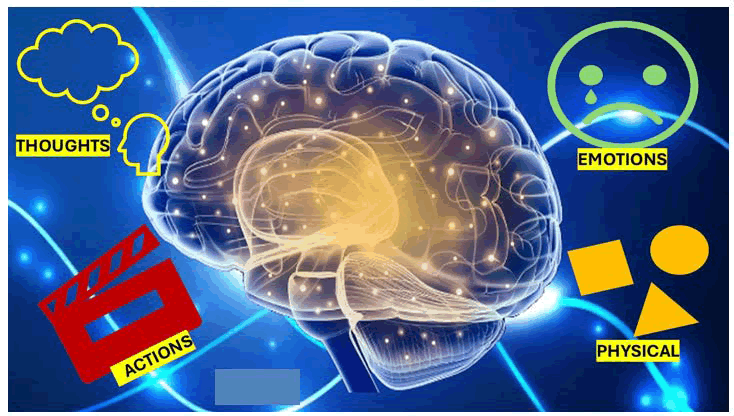
Figure 3: Represent the crucial manifestation associated to FND
Note: Thoughts: 1) Surprise; 2) Unexpected, 3) Prediction; 4) Confusion, 5) Coping resources. Emotions: 1) Stress; 2) Fear; 3) Anxiety; 4) Sadness; 5) Depression. Physical: 1) Chronic fatigue; 2) Lack of energy; 3) Sleepy; 4) Low motivation. Action and behaviour: 1) Functional tremor; 2) Functional shiver; 3) Functional seizure; 4) Functional inhibition; 5) Functional weakness or paralysis; 6) Functional collapse.
Diagnosis: FND is a clinical diagnosis based on history and examination. Generally, the diagnosis should be made by a neurologist, ideally one who has a specific interest in this area. FND is no longer considered a diagnosis of exclusion. Instead, diagnosis is established by identifying positive clinical signs demonstrating internal inconsistency and incongruence with recognised neurological diseases [4,5,14].
Pharmacological considerations: Pregabalin in PNES and FND
Although pregabalin is widely used in the management of epilepsy, neuropathic pain, generalized anxiety disorder, and fibromyalgia, it does not have an established therapeutic role in the direct treatment of Psychogenic Non- Epileptic Seizures (PNES) or other core manifestations of Functional Neurological Disorder (FND). PNES are not caused by abnormal cortical electrical discharges; therefore, antiepileptic medications, including pregabalin, are generally ineffective in treating seizure episodes themselves. Consequently, continuation of antiepileptic therapy after confirmation of PNES should be carefully reviewed unless there is a coexisting diagnosis of epilepsy or another appropriate indication for treatment [15-17].
Despite the lack of efficacy for seizure control in PNES, pregabalin may be beneficial in addressing common comorbid conditions frequently observed in individuals with FND, including anxiety disorders, chronic pain, sleep disturbances, and somatic symptom burden. By binding to the α2δ subunit of voltage-gated calcium channels and reducing the release of excitatory neurotransmitters such as glutamate and noradrenaline, pregabalin may help reduce hyperarousal, emotional distress, and central sensitization that can contribute to symptom persistence and reduced quality of life.
In patients with PNES, anxiety, panic-like symptoms, and heightened autonomic arousal are common precipitating or perpetuating factors. Emerging evidence suggests that pregabalin’s anxiolytic effects may indirectly improve overall symptom burden by reducing stress-related triggers and improving emotional regulation. However, it should be emphasized that pregabalin does not treat the underlying mechanisms responsible for PNES and should only be considered as an adjunctive therapy when clinically indicated for coexisting conditions [18-20].
Drug misuse and safety considerations
The increasing prescription of pregabalin has raised concerns regarding its misuse and dependence potential. Recreational use, dose escalation, and withdrawal symptoms have been reported, particularly among individuals with a history of substance use disorders. Given that psychiatric comorbidities are common in FND and PNES populations, clinicians should carefully assess the risk of drug misuse before initiating pregabalin therapy. Regular monitoring, patient education, and periodic review of treatment necessity are recommended to minimize the risk of inappropriate use.
From a drug and alcohol research perspective, the use of pregabalin in FND and PNES highlights the need to balance its benefits in managing anxiety and pain-related symptoms against its recognized abuse liability. Further research is required to determine the long-term effectiveness and safety of pregabalin in patients with FND, particularly those with coexisting psychiatric disorders or substance use vulnerabilities [21-25].
Brief comments on Functional Movement Disorders (FMD)
Functional movement disorders and the potential role of pregabalin: Functional Movement Disorders (FMDs) are among the most common manifestations of Functional Neurological Disorder (FND). They are characterized by abnormal movements or postures that are incongruent with recognized neurological diseases and cannot be explained by established neurological mechanisms. Clinical presentations commonly include tremor, dystonia, myoclonus, tics, spasms, gait disturbances, and functional weakness, while less frequent manifestations include parkinsonism, choreiform movements, stereotypies, facial movements, and hemifacial spasms.
Patients with FMD typically experience an abrupt onset of symptoms, marked variability in symptom severity, fluctuations throughout the day, and a waxing and waning clinical course. Many individuals present with multiple movement phenotypes and frequently report associated symptoms such as pain, fatigue, anxiety, depression, and sleep disturbances. These accompanying symptoms may contribute substantially to disability and reduced quality of life [26,27].
The diagnosis of FMD is based on positive clinical signs demonstrating inconsistency and incongruence rather than on exclusion of neurological disease. Symptoms often improve with distraction, vary with attention, and may diminish during automatic or habitual movements.
Important diagnostic signs include Hoover’s sign and the hip abductor sign in functional limb weakness, tremor distractibility and entrainment in functional tremor, inconsistent gait abnormalities, and sensory findings that do not follow recognized neuroanatomical patterns.
Functional tremor is the most common subtype of FMD and is characterized by variability in frequency, distractibility, and entrainment. Functional dystonia often presents with sustained abnormal postures, particularly involving plantar flexion or inversion of the foot and finger flexion, and is frequently associated with significant pain. Functional gait disorders exhibit inconsistent and variable gait patterns, including hemiparetic, ataxic, spastic, dystonic, parkinsonian, and weak gait phenotypes.
Although pregabalin is not a primary treatment for the core motor symptoms of FMD, it may have a supportive role in selected patients with associated symptoms. Pregabalin is a gabapentinoid that binds to the α2δ subunit of voltage-gated calcium channels, reducing excitatory neurotransmitter release. In patients with FMD who experience chronic pain, neuropathic pain, fibromyalgia-like symptoms, anxiety, or sleep disturbances, pregabalin may help alleviate these comorbid symptoms and improve overall functioning. By reducing pain, anxiety, and sleep impairment, pregabalin may indirectly contribute to better participation in rehabilitation and multidisciplinary treatment programs. However, current evidence does not support pregabalin as a disease-modifying therapy for FMD, and its use should be individualized, targeting coexisting symptoms rather than the functional movement disorder itself. Comprehensive management remains centered on patient education, physiotherapy, psychological interventions, and multidisciplinary care. Jerky movement disorders and tics can also occur as part of motor FND (Table 2).
Table 2: Clinical examination findings suggestive of functional gait disorders
| Gait pattern | Clinical test/Observation | Findings suggestive of functional gait disorder |
| Ataxic gait | Observation of gait | Variable base of support, excessive arm swing and inconsistent veering from side to side |
| Straight-line walking | Marked variability in gait pattern | |
| Running or walking backwards | Improvement in gait or exaggerated, inconsistent responses | |
| Walking with eyes closed | Improvement or emergence of a different abnormal gait pattern | |
| Tandem gait | Ability to perform tandem walking without expected side-stepping | |
| Spastic (scissoring) gait | Muscle tone and reflex examination | Normal muscle tone and reflexes despite apparent spastic gait |
| Walking backwards | Reduction or disappearance of scissoring movements | |
| Weak gait ("knees giving way") | Muscle power examination | Normal strength or give-way/collapsing weakness |
| Running, walking backwards, or walking with eyes closed | Knee buckling is inconsistent or disappears during alternative tasks | |
| Bradykinetic gait | Observation of gait | Excessively slow gait with prolonged single-leg stance phase |
| Muscle tone examination | Normal tone or findings inconsistent with Parkinsonism | |
| Pull test | Excessive truncal sway without loss of balance or falling | |
| Hemiparetic gait | Muscle tone examination | Normal tone or give-way weakness inconsistent with upper motor neuron pathology |
| Tandem walking, running, or walking backwards | Marked variability or improvement in gait pattern | |
| Dystonic gait | Walking backwards | Improvement or disappearance of dystonic posturing |
| Antalgic gait (limping) | Tandem walking, running, or walking backwards | Marked variability or improvement inconsistent with pain-related gait limitation |
| Neurological examination | Positive Hoover's sign or other positive signs of functional weakness |
Brief comments on Functional Cognitive Disorders (FCD)
Functional cognitive disorder and the potential role of pregabalin: Functional Cognitive Disorder (FCD) is characterized by persistent subjective cognitive complaints that are inconsistent with the degree of objective cognitive impairment observed during clinical assessment. Patients commonly report difficulties with memory, attention, concentration, information processing, and executive functioning, frequently describing their symptoms as “brain fog.” Despite these complaints, formal cognitive testing often reveals normal or only mildly impaired performance that does not correspond to the severity of symptoms reported.
The proposed diagnostic criteria for FCD include:
• One or more symptoms of impaired cognitive function.
• Clinical evidence of internal inconsistency in cognitive performance.
• Symptoms that are not better explained by another neurological, medical, or psychiatric disorder, although comorbid conditions may be present.
• Clinically significant distress, functional impairment, or symptoms warranting medical evaluation.
Several clinical features help distinguish FCD from neurodegenerative disorders such as dementia. Individuals with FCD are typically highly aware of their cognitive difficulties and often provide detailed accounts of their symptoms and medical history. They commonly attend appointments independently and are able to answer complex questions despite reporting substantial cognitive impairment. In contrast, patients with dementia may have limited awareness of their deficits and frequently rely on family members for historical information. Nonprogressive, fluctuating, or remitting symptom patterns may further support a diagnosis of FCD rather than a neurodegenerative condition.
Structural neuroimaging is usually normal or shows only minor age-related changes. Functional neuroimaging studies have identified alterations in brain regions involved in memory, attention, self-monitoring, and cognitive control, including the medial temporal lobe, thalamus, posterior cingulate cortex, caudate nucleus, anterior insula, lingual gyrus, and superior parietal lobe. Some studies have suggested that abnormalities in functional connectivity within these networks may correlate with symptom severity.
Key positive clinical features of FCD include marked variability in cognitive performance, discrepancies between reported cognitive disability and observed daily functioning, excessive monitoring of minor memory lapses, and improvement in cognitive performance when attention is diverted away from the perceived deficit.
Pregabalin is not an established treatment for functional cognitive disorder and may, in some cases, be associated with adverse cognitive effects such as impaired attention, slowed information processing, memory difficulties, and sedation. Therefore, caution is warranted when prescribing pregabalin to patients with prominent cognitive complaints. However, in selected individuals with FCD who also experience comorbid conditions such as chronic pain, generalized anxiety, sleep disturbances, or fibromyalgialike symptoms, pregabalin may provide symptomatic relief. Improvement in anxiety, pain, and sleep quality may indirectly reduce subjective cognitive complaints and enhance overall functioning. Nevertheless, current evidence does not support pregabalin as a direct treatment for the cognitive symptoms of FCD. Management should primarily focus on patient education, reassurance, cognitive rehabilitation strategies, psychological interventions, and treatment of coexisting symptoms that may contribute to cognitive dysfunction (Table 3).
| Feature | Functional Cognitive Disorder (FCD) | Degenerative cognitive disorder (e.g., Dementia) |
| Attendance at consultation | Frequently attends alone | Commonly attends with a family member or caregiver |
| Awareness of deficits | Patient is often more concerned about cognitive problems than relatives or friends | Relatives or caregivers are often more aware of deficits than the patient |
| Response style during assessment | Answers questions independently | Frequently seeks assistance from an accompanying person (e.g., head-turn sign) |
| Description of symptoms | Provides detailed descriptions of cognitive complaints | Often provides vague or limited descriptions of symptoms |
| Level of elaboration | Frequently volunteers additional information and examples | Less likely to provide spontaneous detail or elaboration |
| Ability to answer complex questions | Able to answer multi-component questions despite reported impairment | May struggle with complex questions |
| Personal and medical history | Provides detailed accounts of personal history, medications and previous healthcare encounters | History may be incomplete, inaccurate, or lacking detail |
| Autobiographical memory | May report loss of both recent and remote autobiographical memories | Remote autobiographical memories are relatively preserved early in the disease course |
| Nature of memory symptoms | Symptoms often resemble memory lapses experienced by healthy individuals | Symptoms are typically more severe and outside the range of normal forgetting |
| Onset of symptoms | Often able to identify a precise onset or triggering event | Onset is frequently gradual and difficult to date accurately |
| Longitudinal course | Fluctuating, non-progressive, or variable over time | Typically, progressive deterioration over time |
| Consistency of performance | Marked variability between and within assessments | Performance is generally more consistent, with less variability |
| Internal consistency | Discrepancy between subjective complaints and objective functioning is common | Subjective complaints generally correspond with objective impairment |
| Daily functioning | Often better preserved than expected from reported symptoms | Functional impairment is usually proportional to cognitive decline |
Table 3: Clinical features of functional cognitive disorders versus dementia/degenerative brain disease
Persistent postural-perceptual dizziness and the potential role of pregabalin
Persistent Postural-Perceptual Dizziness (PPPD) is a chronic functional vestibular disorder characterized by persistent dizziness, subjective unsteadiness, or nonspinning vertigo that cannot be fully explained by structural vestibular abnormalities or other neurological conditions. Symptoms are typically exacerbated by upright posture, active or passive movement, and exposure to visually complex or motion-rich environments such as crowded spaces, busy traffic, or large visual displays.
PPPD most commonly affects middle-aged adults, with symptom onset frequently occurring in the fifth or sixth decade of life, and it is reported more commonly in women than men. The disorder is often precipitated by conditions that disrupt balance or vestibular function, including Benign Paroxysmal Positional Vertigo (BPPV), vestibular migraine, unilateral vestibular disorders, mild traumatic brain injury, stroke, dysautonomia, panic disorder, generalized anxiety disorder, and other acute medical illnesses. Although the initial triggering event may resolve, symptoms persist because of maladaptive changes in balance control, sensory processing, and threat perception.
Psychological factors play a significant role in the development and maintenance of PPPD. Individuals with heightened anxiety, neurotic personality traits, increased body vigilance, or maladaptive illness beliefs may be particularly susceptible. Many patients become excessively focused on balance-related sensations and environmental stimuli, creating a cycle of dizziness, anxiety, hypervigilance, and avoidance behaviors that perpetuates symptoms and functional impairment.
Pregabalin is not considered a first-line treatment for PPPD and is not specifically approved for this condition. However, it may have a supportive role in selected patients with PPPD who experience significant anxiety, chronic pain, sleep disturbances, or other comorbid symptoms. By modulating excitatory neurotransmitter release through binding to the α2δ subunit of voltage-gated calcium channels, pregabalin can reduce anxiety and improve sleep quality, which may indirectly lessen symptom-related distress and improve coping mechanisms. In patients with prominent anxiety-related dizziness or coexisting functional neurological symptoms, pregabalin may complement a multidisciplinary treatment approach. Nevertheless, current evidence supporting its use in PPPD remains limited, and treatment should primarily focus on vestibular rehabilitation, cognitive behavioral therapy, patient education, and management of associated psychological factors. Further research is needed to clarify the potential benefits of pregabalin in this patient population.
Brief comments on Barany society diagnostic criteria
• One or more symptoms of dizziness, unsteadiness or non-spinning vertigo on most days for at least 3 months.
• Persistent symptoms occur without specific provocation but are exacerbated by three factors: upright posture, active or passive motion, regardless of direction or position, and exposure to moving visual stimuli or complex visual patterns.
• The disorder is triggered by events that cause vertigo, unsteadiness, dizziness, or balance problems, including acute, episodic, or chronic vestibular syndromes, other neurological or medical illnesses, and psychological distress.
• Symptoms cause significant distress or functional impairment.
• Symptoms are not better accounted for by another disease or disorder [3].
Functional sensory symptoms and the potential role of pregabalin
Functional sensory symptoms are a common manifestation of Functional Neurological Disorder (FND) and may include a wide range of complaints such as numbness, altered sensation, paresthesia, loss of touch, visual disturbances, hearing abnormalities, dizziness, sensory illusions, and other perceptual symptoms. These symptoms can affect any sensory modality and often fluctuate in intensity and distribution over time. Although no structural neurological abnormality is identified, the symptoms are genuine, can cause significant distress, and may substantially impair daily functioning and quality of life.
A characteristic feature of functional sensory symptoms is that they frequently do not conform to recognized neuroanatomical or physiological patterns. Patients may report sensory loss affecting an entire limb, one side of the body, or unusual sensory distributions that are inconsistent with known peripheral nerve, spinal cord, or cortical pathways. The diagnosis is based on positive clinical signs demonstrating internal inconsistency rather than solely excluding other neurological disorders.
Key positive signs include improvement of sensory deficits with distraction, variability in symptom distribution over time, and sensory findings that fail to follow established neuroanatomical boundaries. In some individuals, sensory abnormalities are evident during formal neurological examination but are absent during automatic behaviors or routine daily activities. These observations suggest that normal sensory processing remains intact despite the presence of functional sensory dysfunction.
Functional sensory symptoms commonly coexist with chronic pain syndromes, fatigue, fibromyalgia, migraine, anxiety, sleep disturbances, and other manifestations of FND. In such cases, symptom burden may be amplified by central sensitization and heightened attention to bodily sensations.
Pregabalin may have a supportive role in selected patients with functional sensory symptoms, particularly when symptoms are accompanied by chronic pain, fibromyalgialike features, neuropathic pain sensations, anxiety, or sleep disturbances. Pregabalin acts by binding to the α2δ subunit of voltage-gated calcium channels, reducing the release of excitatory neurotransmitters involved in pain transmission and central sensitization. While pregabalin is not a specific treatment for the underlying mechanisms of FND, it may help reduce associated pain, paresthesia, anxiety, and sleep-related symptoms, thereby improving overall functioning and quality of life. However, current evidence does not support pregabalin as a primary treatment for functional sensory symptoms themselves. Management should remain focused on patient education, symptom validation, physiotherapy when appropriate, psychological interventions, and a multidisciplinary rehabilitation approach targeting the broader spectrum of FND-related symptoms (Table 4).
| Positive sign | How to examine | Positive finding | Clinical significance |
| Functional non-epileptic seizures | Functional non-epileptic seizures | Functional non-epileptic seizures | Functional non-epileptic seizures |
| Ictal eye closure | Observe seizure | Persistent forceful eye closure | One of the most reliable clinical signs. Sensitivity: 34-88%; Specificity: 74-100% |
| Resistance to eye opening | Attempt gentle eye opening | Active resistance | Supports PNES |
| Asynchronous limb movements | Observe motor activity | Limbs move independently and irregularly | Common in PNES. Sensitivity: 44-96%; Specificity: 93-96% |
| Fluctuating course | Observe event duration | Waxing and waning motor activity | Typical of PNES |
| Prolonged duration | Time episode | Often >2–5 minutes | Longer than most epileptic seizures |
| Preserved awareness | Assess recall after the event | Patient remembers the episode despite bilateral movements | Strongly suggests PNES |
| Ictal crying | Observe during the episode | Crying or emotional expression during a seizure | Sensitivity: 3.7-37%; Specificity: 100% |
| Absence of post-ictal confusion | Examine after the event | Rapid recovery | Supports PNES |
| Hoover's sign | Patient lies supine. Place hand under heel of affected leg. Ask the patient to extend the affected hip against resistance, then flex the contralateral hip against resistance. | Weak voluntary hip extension but normal involuntary extension of the affected leg when the opposite hip flexes | Demonstrates preserved corticospinal pathways and automatic motor function. One of the most validated signs in FND. Sensitivity: 60-100%. Specificity: 86-100% |
| Hip abductor sign | Test hip abduction strength bilaterally. Then ask the patient to abduct the unaffected leg while monitoring the affected leg. | Apparent weakness normalises during automatic synergistic activation | Specificity: 100% |
| Give-Way (Collapsing) weakness | Apply steady resistance during strength testing | Initial normal effort followed by sudden collapse | Impaired voluntary motor control; Sensitivity: 20- 90%; Specificity: 95-100% |
| Drift without pronation | Arms outstretched, palms up, eyes closed | Arm drifts downward without pronation | In true corticospinal lesions, pronation usually accompanies drift. Sensitivity: 47-93%; Specificity: 100% |
| Variable weakness | Repeat strength testing in different contexts | Marked fluctuations over minutes or between tasks | Internal inconsistency is a core diagnostic feature of FND |
| Entrainment | The patient is instructed to stretch both arms in front The non-tremoring or least-tremoring hand is slightly moved away from the other hand and the patient is asked to focus on it while he taps the thumb and forefinger in a rhythm set by the examiner. | Tremor adopts tapping frequency (pure entrainment). Shift in tremor frequency with pauses and disruptions in the affected limb. | Considered highly specific for functional tremor. Sensitivity: 39- 100%; Specificity: 100% |
| Distractibility | Perform cognitive tasks (serial sevens, months backwards) | Tremor decreases or disappears | Strong evidence of functional tremor |
| Variability | Observe tremor over time | Frequency and amplitude fluctuate | Inconsistent with most organic tremors. Sensitivity: 89.5-100% |
| Pause during ballistic movement | Ask the patient to make a rapid movement with the opposite limb | Tremor briefly stops | Supports functional tremor diagnosis. Sensitivity: 89.5- 100%; Specificity: 100% |
| Astasia-Abasia | Observe standing and walking | Dramatic swaying and near falls without actual injury | Indicates preserved balance despite apparent instability |
| Knee buckling | Observe walking | Repeated knee collapse without falling | Protective postural responses remain intact |
| Uneconomic gait | Observe gait efficiency | Excessive energy expenditure with preserved mobility | Movements appear neurologically implausible yet effective |
| Excessive slowness | Timed gait observation | Extremely slow gait despite preserved balance | Common in functional gait disorders |
| Improvement with distraction | Ask patient to count backwards, converse, or carry an object while walking | Gait significantly improves | One of the strongest positive signs |
| Backward walking | Compare forward and backward gait | Better balance when walking backwards. Backward walking better than forward walking | Often seen in FND; unusual in organic gait disorders |
| Running | Ask patient to jog | Running appears substantially more normal than walking | Suggests preserved automatic locomotor function |
| Chair-Swivel sign | Ask patient to propel a wheeled chair | Significant gait impairment but normal chair propulsion | Demonstrates preserved lower limb function |
| Fixed dystonia | Observe posture over time | Fixed posture develops relatively abruptly | Common in functional dystonia |
| Variability | Observe during different activities | Marked changes in posture | Demonstrates inconsistency. |
| Distractibility | Introduce cognitive tasks | Dystonic posture improves | Suggests a functional mechanism |
| Selective disability | Assess different functional tasks | Severe impairment in one context but preserved function in another | Internal inconsistency |
| Sensory disorders | Sensory disorders | Sensory disorders | Sensory disorders |
| Midline splitting | Test pinprick/vibration across the sternum or forehead | Exact sensory boundary at midline | Neuroanatomically implausible due to the overlap of sensory pathways |
| Non-dermatomal sensory loss | Map sensory deficit | Distribution does not follow nerve, root, or dermatome | Strongly suggests functional sensory symptoms |
| Inconsistent sensory loss | Repeat examination | Different findings on repeated testing | Demonstrates internal inconsistency |
| Vibration splitting | Place the tuning fork on the midline structures (forehead/sternum) | Vibration perceived on only one side | Physiologically implausible |
Table 4: Comorbidities, neuroimaging and the potential role of pregabalin in functional neurological disorder.
Comorbidities, neuroimaging, and the potential role of pregabalin in functional neurological disorder
Comorbid conditions are highly prevalent in individuals with Functional Neurological Disorder (FND) and significantly influence symptom severity, functional disability, quality of life, and treatment outcomes. These comorbidities may be neurological, psychiatric, or other functional somatic disorders, highlighting the importance of a comprehensive biopsychosocial assessment in all patients with FND.
Neurological comorbidities: Neurological disorders commonly associated with FND include epilepsy, traumatic brain injury, Parkinson’s disease, migraine, and other neurological conditions. Importantly, the presence of an established neurological disorder does not exclude a diagnosis of FND. Functional symptoms frequently coexist with neurological diseases, creating diagnostic and therapeutic challenges that require careful clinical evaluation to distinguish functional manifestations from symptoms directly attributable to the underlying neurological condition.
Psychiatric comorbidities: Psychiatric disorders are among the most common comorbidities in FND and include depression, anxiety disorders, Post-Traumatic Stress Disorder (PTSD), dissociative disorders, somatic symptom disorders, and personality disorders. Emerging evidence suggests that psychiatric symptoms and FND may share overlapping neural networks, particularly in patients with Psychogenic Nonepileptic Seizures (PNES). These findings indicate that psychiatric symptoms are not merely coincidental but may be closely linked to the mechanisms underlying FND.
Mood and anxiety disorders are especially common and are associated with greater symptom burden, poorer functional outcomes, and reduced treatment response. PTSD and a history of early-life trauma are recognized as important predisposing and perpetuating factors in some patients with FND. Personality traits and disorders, particularly borderline, avoidant, and obsessive-compulsive features, may contribute to emotional dysregulation, maladaptive coping strategies, interpersonal difficulties, and persistence of functional symptoms.
In patients with comorbid anxiety, chronic pain, sleep disturbances, or fibromyalgia-like symptoms, pregabalin may provide symptomatic benefit. Through modulation of the α2δ subunit of voltage-gated calcium channels, pregabalin reduces excitatory neurotransmitter release and is effective for several conditions commonly associated with FND, including generalized anxiety disorder, neuropathic pain, and fibromyalgia. While pregabalin does not directly treat the core mechanisms of FND, it may improve associated symptoms that contribute to functional impairment and reduced quality of life.
Brief comments on neuroimaging
Neuroimaging research has enhanced understanding of FND by demonstrating that symptoms are associated with measurable alterations in brain structure and function. However, neuroimaging in FND remains primarily a research tool rather than a diagnostic biomarker. Most studies have involved relatively small sample sizes, findings are not always consistently replicated, and only limited data exist regarding relationships between neuroimaging abnormalities and treatment outcomes.
Clinically, neuroimaging remains important for excluding structural neurological pathology and identifying coexisting neurological disorders rather than confirming a diagnosis of FND.
Functional Magnetic Resonance Imaging (fMRI) studies have identified abnormalities in brain networks involved in motor control, self-agency, attention, emotional regulation, and predictive processing. One of the most consistently implicated regions is the right Temporoparietal Junction (rTPJ), which plays a key role in the sense of self-agency. Patients with functional tremor have demonstrated reduced activation of the rTPJ during functionally perceived involuntary movements compared with voluntary movements, along with decreased connectivity between the rTPJ and sensorimotor regions.
Resting-state functional connectivity MRI (rs-fMRI) studies have revealed altered connectivity between emotional processing networks, including the amygdala and cingulate-insular regions, and motor control networks. Enhanced connectivity between emotional and motor circuits has been associated with greater symptom severity, suggesting that emotional processes may exert abnormal influences on motor and sensory function. Positron Emission Tomography (PET) studies have also demonstrated reduced metabolic activity in regions such as the right inferior parietal lobule and dorsal anterior cingulate cortex in patients with functional seizures.
Structural neuroimaging abnormalities identified in FND are generally subtle and differ from the overt pathological changes observed in neurodegenerative or structural neurological diseases. Some studies have linked reduced anterior insula volume and other regional brain changes with symptom severity, trauma exposure, and functional impairment.
Additional neuroimaging modalities, including PET, Single-Photon Emission Computed Tomography (SPECT) and Magnetic Resonance Spectroscopy (MRS), have been explored in FND research. Although these techniques may provide insights into cerebral metabolism, blood flow, and neurochemical alterations, their clinical utility remains limited and largely investigational.
Notably, the neural circuits implicated in FND overlap with pathways involved in pain processing, anxiety regulation, and sensory amplification. These shared mechanisms may partly explain why medications such as pregabalin can improve associated symptoms, including chronic pain, anxiety, hyperarousal, and sleep disturbances, even though they do not directly reverse the functional neurological symptoms themselves.
Management and the role of pregabalin
The management of FND requires a comprehensive, multidisciplinary, and patient-centered approach. Effective treatment begins with establishing a positive diagnosis, providing a clear and supportive explanation of the disorder, and developing an individualized management plan based on the patient’s symptom profile and contributing biological, psychological, and social factors. Early diagnosis and intervention are associated with improved outcomes, whereas delayed recognition may contribute to symptom chronicity, disability, and unnecessary healthcare utilization.
Core treatment strategies include patient education, physiotherapy, psychological therapies such as Cognitive Behavioral Therapy (CBT), occupational therapy, and management of coexisting neurological and psychiatric conditions.
Within this framework, pregabalin may serve as an adjunctive treatment for selected patients with FND who have significant comorbid symptoms such as generalized anxiety, chronic pain, fibromyalgia, sensory amplification, sleep disturbances, or central sensitization syndromes. By reducing anxiety, improving sleep quality, and alleviating pain, pregabalin may facilitate participation in rehabilitation programs and improve overall functioning. However, current evidence does not support pregabalin as a primary treatment for the core motor, sensory, cognitive, or seizure-related manifestations of FND. Its use should therefore be individualized and directed toward managing associated symptoms that contribute to the overall burden of the disorder.
A successful treatment strategy remains grounded in multidisciplinary rehabilitation, symptom validation, patient engagement, and targeted management of comorbid conditions (Figure 4).
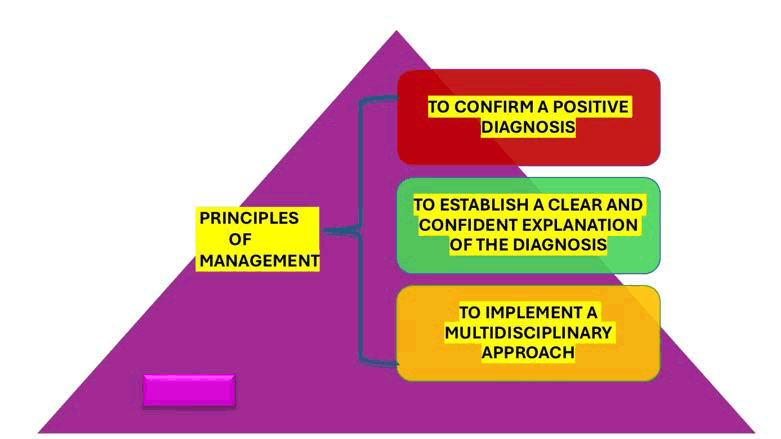
Figure 4: Shows the most relevant ingredients to provide an adequate management of the central nociceptive pain. 1) Based on the characteristic clinical signs (positive diagnosis); 2) Identifying the necessary information to document a clear and confident diagnosis; 3) Administering a multidisciplinary therapy programme according to the symptoms cluster involved
Management principles and the potential role of pregabalin in functional neurological disorder
For patients with mild or recently developed Functional Neurological Disorder (FND) symptoms, a period of observation, education, and reassurance may be appropriate, as spontaneous improvement can occur in some cases. However, persistent, severe, or functionally disabling symptoms typically require a structured, multidisciplinary treatment approach involving healthcare professionals from multiple specialties.
One of the most important therapeutic interventions in FND is the effective communication of the diagnosis. The diagnosis should be presented positively, focusing on what the patient has rather than what they do not have. Clinicians should explain that FND is a genuine disorder of nervous system functioning characterized by potentially reversible alterations in brain network activity rather than structural damage. Demonstrating positive clinical signs that support the diagnosis can help patients understand that the diagnosis is based on identifiable neurological findings and not merely the exclusion of other diseases.
Effective communication should include clearly naming the disorder, emphasizing that FND is a common condition encountered in neurological practice, reassuring patients that symptoms are involuntary and not intentionally produced, explaining the positive signs used to establish the diagnosis, providing an individualized biopsychosocial formulation, and discussing realistic treatment goals and recovery expectations. A clear and supportive explanation can improve treatment engagement, reduce stigma, and facilitate recovery.
Management of comorbidities
The identification and treatment of coexisting neurological, psychiatric, and functional somatic conditions are essential components of FND management. When structural neurological disorders coexist with FND, clinicians should acknowledge both diagnoses rather than attributing all symptoms to a single condition. Open discussion regarding the contribution of each disorder can enhance patient understanding, facilitate treatment planning, and improve adherence to management strategies.
In this context, pregabalin may play a supportive role in selected patients with FND who experience significant comorbid symptoms. Pregabalin is commonly used for neuropathic pain, fibromyalgia, generalized anxiety disorder, and sleep disturbances conditions that frequently coexist with FND and contribute to symptom burden and functional impairment. By reducing pain, anxiety, hyperarousal, and sleep disruption, pregabalin may indirectly improve overall well-being and enhance participation in rehabilitation programs. However, pregabalin is not considered a primary treatment for the core symptoms of FND, and its use should be individualized according to the patient’s comorbid conditions and symptom profile.
Multidisciplinary team approach
Optimal management of FND requires a coordinated multidisciplinary approach involving neurologists, psychiatrists, psychologists, physiotherapists, occupational therapists, rehabilitation specialists, and primary care providers. Each discipline contributes specialized expertise to address the complex biological, psychological, and social factors involved in symptom development and persistence.
Collaboration among healthcare professionals improves diagnostic clarity, patient education, treatment engagement, functional recovery, and long-term outcomes. Within a multidisciplinary framework, medications such as pregabalin may be incorporated as adjunctive therapies to target associated symptoms, including chronic pain, anxiety, sleep disturbances, and sensory amplification, while rehabilitation and psychological interventions remain the cornerstone of treatment. A comprehensive, patientcentered approach that combines education, rehabilitation, psychological support, and appropriate management of comorbidities offers the greatest opportunity for meaningful and sustained improvement in individuals with FND (Table 5).
| Healthcare professional | Role in FND management | Key interventions |
| Neurologist | Diagnose FND and recommend a multidisciplinary team | Neurological assessment, demonstration of positive diagnostic signs, explanation of the diagnosis, identification of comorbid neurological disorders, and referral to multidisciplinary services. |
| General Practitioner (GP) | Provides ongoing longitudinal care and reinforces management strategies | Monitoring symptoms, coordinating care, managing comorbid conditions, reinforcing diagnostic understanding and supporting long-term recovery. |
| Psychiatrist | Assesses and treats psychiatric comorbidities and assists with complex diagnostic presentations | Management of depression, anxiety, PTSD, dissociative disorders, personality disorders, medication management, and neuropsychiatric assessment. |
| Physiotherapist | Rehabilitation of functional motor symptoms and movement disorders | Education, movement retraining, gait rehabilitation, distraction techniques, task-oriented exercises, feedback strategies (e.g., mirror therapy, video feedback), energy conservation, pain management and relapse prevention planning. |
| Occupational therapist | Facilitates functional independence and participation in daily activities | Graded activity programmes, motor retraining, desensitisation techniques, sensory modulation, vocational rehabilitation, energy conservation, psychosocial interventions and self-management strategies. |
| Speech and language therapist | Assesses and treats communication, voice, swallowing and related symptoms | Management of functional speech disorders, dysphonia, swallowing difficulties, cognitive communication deficits, functional cough, and language symptoms. |
| Psychologist | Psychological interventions | Cognitive Behavioural Therapy (CBT), psychoeducation, cognitive restructuring, behavioural activation, management of avoidance behaviours, trauma-focused therapies and treatment of psychological comorbidities. |
| Social worker | Addresses psychosocial needs and facilitates access to support services | Psychosocial assessment, advocacy, care planning, access to community resources, family support, financial and occupational assistance and self-management support. |
| Nurse | Provides ongoing support, monitoring, and patient education | Monitoring symptom progression, identifying triggers, supporting biopsychosocial care needs, promoting health literacy, reinforcing treatment plans, and providing support to patients and families. |
Table 5: Roles of the multidisciplinary team in the management of FND
Pharmacological management and the potential role of pregabalin in functional neurological disorder
Pharmacological management: At present, there is no convincing evidence that any pharmacological treatment directly improves the core symptoms of Functional Neurological Disorder (FND). Clinical studies evaluating medications for FND have produced limited and inconsistent results. For example, placebo-controlled trials of antidepressants in patients with functional seizures have not consistently demonstrated superiority over placebo for reducing functional neurological symptoms. Consequently, medications should not be considered primary treatments for FND itself.
Pharmacological interventions are most appropriately directed toward the management of coexisting conditions that frequently accompany FND, including anxiety disorders, depression, Post-Traumatic Stress Disorder (PTSD), chronic pain syndromes, fibromyalgia, migraine, and sleep disturbances. Addressing these comorbidities can reduce overall symptom burden, improve quality of life, and enhance engagement with rehabilitation and psychological therapies.
Pregabalin may be particularly useful in selected patients with FND who experience comorbid generalized anxiety, chronic pain, fibromyalgia-like symptoms, sensory amplification, neuropathic pain, or sleep difficulties. By binding to the α2δ subunit of voltage-gated calcium channels, pregabalin reduces the release of excitatory neurotransmitters involved in pain processing and anxiety regulation. Although pregabalin has not been shown to directly treat the neurological manifestations of FND, improvement in associated symptoms such as pain, anxiety, and insomnia may indirectly support functional recovery and participation in multidisciplinary treatment programs.
When prescribing pregabalin or any other medication, clinicians should clearly explain the therapeutic rationale and emphasize that treatment is aimed at associated symptoms rather than the underlying functional neurological disorder itself. Medications should be introduced cautiously and monitored carefully, as adverse effects including dizziness, sedation, fatigue, and cognitive slowing may worsen functional symptoms or be misinterpreted as disease progression in susceptible individuals.
Emerging therapies: Emerging therapeutic approaches for FND include non-invasive brain stimulation techniques such as Transcranial Magnetic Stimulation (TMS) and transcranial Direct Current Stimulation (tDCS). These interventions aim to modulate dysfunctional neural networks implicated in motor control, attention, emotional regulation, and self-agency. Preliminary studies have reported promising findings; however, the current evidence base remains limited by small sample sizes, methodological variability, and inconsistent outcome measures.
Future research may clarify whether combining neuromodulation techniques with rehabilitation, psychological interventions, and symptom-targeted medications such as pregabalin could improve outcomes in selected patient populations. At present, however, these approaches remain investigational and cannot be routinely recommended for clinical practice.
Best management practices
Current best practice for FND emphasizes a comprehensive, multidisciplinary, and individualized treatment strategy.
Key components include:
• Establishing a positive clinical diagnosis based on characteristic signs and symptoms.
• Providing a clear, supportive, and evidence-based explanation of the disorder.
• Addressing contributing biological, psychological, and social factors.
• Managing coexisting neurological, psychiatric, and pain-related conditions.
• Utilizing physiotherapy, occupational therapy, psychological therapies, and rehabilitation programs as first-line interventions.
• Considering adjunctive medications, including pregabalin, when clinically indicated for comorbid anxiety, chronic pain, fibromyalgia, or sleep disturbances.
• Promoting patient engagement, self-management strategies, and realistic recovery goals.
While pregabalin is not a disease-specific treatment for FND, it may serve as a valuable adjunct in selected patients by reducing associated symptoms that contribute to disability and impair participation in rehabilitation. Effective management ultimately depends on integrating symptom-targeted pharmacotherapy with education, rehabilitation, and multidisciplinary care to optimize functional outcomes and quality of life (Table 6).
| Recommended clinical practice | Practices to avoid |
Clinical rationale |
| Explain the diagnosis using positive clinical signs and examination findings | Present FND as a diagnosis of exclusion or focus solely on normal investigations |
Reinforces that FND is a legitimate neurological disorder diagnosed through positive findings |
| Demonstrate positive signs whenever possible | Attribute symptoms immediately to stress, trauma, or psychological factors without first explaining the neurological diagnosis |
Patients are more likely to accept and engage with treatment when the diagnosis is clearly demonstrated |
| Check the patient's understanding of the diagnosis | Assume that the patient understands and accepts the diagnosis after a single consultation |
Misunderstanding of the diagnosis is associated with poorer engagement and outcomes |
| Provide written information, reputable online resources and copies of clinical correspondence where appropriate | Provide educational resources without offering a treatment plan or follow-up |
Education is most effective when combined with active treatment and ongoing support |
| Encourage early, active, goal-directed rehabilitation and functional recovery | Promote passive treatment approaches or unrealistic expectations of rapid recovery |
Functional improvement usually occurs gradually through active participation in rehabilitation |
| Refer to appropriate multidisciplinary interventions | Discharge patients without follow-up despite ongoing symptoms or disability |
Multidisciplinary management is associated with improved outcomes across FND subtypes |
| Identify and treat comorbid conditions, including depression, anxiety, PTSD, sleep disorders, chronic pain and fatigue | Neglect psychiatric or physical comorbidities that may perpetuate symptoms |
Comorbidities frequently contribute to symptom persistence and reduced quality of life |
| Review medication regimens and minimise medications that may worsen symptoms | Abruptly discontinue medications without patient preparation or alternative management strategies |
Sudden medication changes may worsen symptoms and damage the therapeutic relationship |
| Adopt a validating, collaborative, and non-judgmental approach throughout treatment | Express scepticism, disbelief, or imply that symptoms are fabricated |
Therapeutic alliance is one of the strongest predictors of treatment engagement and outcome |
Table 6: Best practices and common pitfalls in the management of functional neurological disorder
Prognosis, stigma, and the potential role of pregabalin in functional neurological disorder
Brief comments on prognosis: The prognosis of Functional Neurological Disorder (FND) is highly variable and influenced by several factors, including symptom subtype, duration of illness before diagnosis, severity of symptoms, access to specialized treatment, psychiatric and medical comorbidities, and patient engagement with rehabilitation. Although FND can result in substantial disability, meaningful recovery is possible, particularly when the condition is recognized early and managed through a comprehensive multidisciplinary approach.
Prognosis differs among FND subtypes: Patients with functional Non-Epileptic Seizures (PNES) may experience significant improvement with appropriate treatment, with remission rates reported in approximately 30–50% of cases. Even when complete remission is not achieved, reductions in seizure frequency, improved psychosocial functioning, and enhanced quality of life are commonly observed.
Functional movement disorders generally have less favorable outcomes, particularly when symptoms have been present for prolonged periods before diagnosis. However, growing evidence demonstrates that specialized physiotherapy, multidisciplinary rehabilitation, and targeted psychological interventions can lead to meaningful improvements in motor function, independence, and overall quality of life.
Importantly, prognosis should not be assessed solely by complete symptom resolution. Many patients achieve substantial functional recovery, including improved mobility, increased participation in daily activities, greater independence, and enhanced psychosocial well-being, even when some symptoms persist.
In selected patients, pregabalin may contribute indirectly to improved outcomes by treating common comorbid symptoms such as chronic pain, fibromyalgia-like symptoms, anxiety, sensory amplification, and sleep disturbances. While pregabalin does not alter the underlying course of FND or directly treat functional neurological symptoms, symptom relief may enhance participation in rehabilitation programs and improve overall quality of life.
Stigma and iatrogenic harm
Despite increasing scientific evidence demonstrating that FND is a genuine disorder of nervous system functioning, stigma remains a major challenge affecting diagnosis, treatment, and long-term outcomes. Misconceptions among healthcare professionals, patients, families, and the wider public may contribute to delayed diagnosis, inappropriate management, psychological distress, and reduced engagement with treatment.
Distinguishing FND from factitious disorder and malingering: One of the most persistent misconceptions is the belief that patients with FND are intentionally producing or exaggerating symptoms. In reality, FND symptoms are involuntary and experienced as genuine by the patient.
Factitious disorder involves the intentional production, exaggeration, or falsification of symptoms for the purpose of assuming the sick role and obtaining medical attention. Malingering involves deliberate symptom fabrication or exaggeration for external incentives such as financial compensation, avoidance of responsibilities, or other secondary gains. Both conditions require evidence of conscious deception.
In contrast, individuals with FND experience authentic neurological symptoms without intentional symptom production. Recognizing this distinction is essential for establishing trust, promoting effective communication, and facilitating successful treatment.
Stigma in healthcare
Patients with FND frequently report feeling dismissed, misunderstood, or accused of exaggerating their symptoms. Historical terms such as “hysteria,” “psychogenic,” and “conversion disorder” have contributed to misconceptions that symptoms are not real or are purely psychological. Such attitudes may damage the therapeutic relationship, reduce treatment adherence, and contribute to poorer clinical outcomes.
The use of respectful, evidence-based language and clear explanations that emphasize the neurobiological basis of FND can help reduce stigma and improve patient engagement. Explaining that FND involves dysfunction in brain networks rather than structural damage can foster greater understanding among patients and healthcare providers alike.
Iatrogenic harm in FND
Misunderstanding and stigma can result in significant iatrogenic harm. Patients with FND are particularly vulnerable to unnecessary medical interventions arising from delayed diagnosis, repeated investigations, or inappropriate treatments. Common forms of iatrogenic harm include excessive diagnostic testing, unnecessary surgical or medical procedures, prolonged hospitalizations, inappropriate medication use, and psychological distress resulting from invalidating healthcare experiences.
When pharmacological treatment is considered, medications should be prescribed for clearly defined indications. For example, pregabalin may be appropriate for managing comorbid anxiety disorders, neuropathic pain, fibromyalgia, or sleep disturbances. However, clinicians should clearly communicate that pregabalin is intended to address these associated symptoms rather than the core neurological manifestations of FND. Careful monitoring is important because adverse effects such as dizziness, fatigue, sedation, or cognitive slowing may potentially worsen functional symptoms or contribute to diagnostic confusion.
Strategies to reduce stigma and minimize iatrogenic harm
Several approaches may help improve care for individuals with FND:
• Establishing a positive diagnosis based on characteristic clinical signs rather than relying solely on exclusion of disease.
• Providing clear, compassionate, and evidence-based explanations of FND.
• Emphasizing that symptoms are genuine, involuntary, and potentially reversible.
• Avoiding stigmatizing terminology and outdated concepts.
• Promoting collaboration between neurology, psychiatry, psychology, rehabilitation specialists, and primary care providers.
• Recognizing and appropriately treating comorbid conditions, including anxiety, depression, chronic pain, and sleep disorders.
• Using medications such as pregabalin judiciously for symptom-targeted management when clinically indicated.
• Minimizing unnecessary investigations and interventions once a confident diagnosis has been established.
• Encouraging patient participation in rehabilitation and self-management strategies.
• Overall, early diagnosis, multidisciplinary care, effective communication, and appropriate management of comorbid symptoms including the selective use of pregabalin when indicated can improve patient outcomes while reducing stigma and the risk of iatrogenic harm in functional neurological disorder.
Conclusion
Functional Neurological Disorder (FND) is a common and potentially disabling condition characterized by neurological symptoms arising from abnormal nervous system functioning rather than structural neurological disease. Contemporary understanding of FND has evolved significantly from historical concepts such as hysteria and conversion disorder toward a biopsychosocial and neurobiological framework supported by advances in neuroscience, neuroimaging, and clinical research.
Early recognition of FND, clear communication of the diagnosis, and implementation of a multidisciplinary treatment approach remain fundamental to improving patient outcomes and reducing disability. While no pharmacological therapy has been shown to directly treat the core mechanisms of FND, symptom-targeted treatment of common comorbidities can play an important role in comprehensive patient care.
Pregabalin represents one such therapeutic option for selected patients with FND who experience coexisting symptoms such as chronic pain, fibromyalgia-like syndromes, generalized anxiety, sensory amplification, sleep disturbances, or central sensitization. By modulating the α2δ subunit of voltage-gated calcium channels and reducing excitatory neurotransmitter release, pregabalin may help alleviate these associated symptoms, improve quality of life, and enhance participation in rehabilitation programs. However, current evidence does not support pregabalin as a disease-modifying treatment for FND itself, and its use should be individualized and directed toward clearly identified comorbid conditions.
Based on our comprehensive review of the literature, we support several key principles that may improve the management of FND:
• Promoting FND as a positive clinical diagnosis based on recognized neurological signs.
• Considering FND early in the diagnostic process when clinically appropriate.
• Improving education and training of healthcare professionals with particular emphasis on diagnostic confidence, communication skills, and stigma reduction.
• Adopting multidisciplinary treatment strategies that address both functional symptoms and associated comorbidities.
Within such an approach, medications including pregabalin may serve as useful adjunctive therapies when clinically indicated.
Despite significant advances in understanding FND, important challenges remain, including persistent stigma, delayed diagnosis, and limited availability of specialized care. Further high-quality clinical research is needed to better define the neurobiological mechanisms underlying FND, identify reliable biomarkers, and evaluate targeted therapeutic interventions. Additional investigation is also warranted to clarify the potential role of medications such as pregabalin in managing symptom clusters commonly associated with FND.
To the best of our knowledge, this work represents one of the first attempts to integrate the diverse biological, psychological, and social factors involved in the pathogenesis of FND while highlighting the potential contribution of symptom-targeted therapies, including pregabalin, within a comprehensive and evidence-based management framework. Ultimately, continued research, patient advocacy, professional education, and improved access to multidisciplinary care are essential to optimize outcomes for individuals living with functional neurological disorder.
Acknowledgment
To thanks to Prof Thozama Dubula for his support.
Ethics Statement
This review does not require ethical approval.
Patient Privacy
All patient-identifying information has removed to ensure anonymity.
Conflicts of Interest
Authors of this review report there is not conflicts of interest.
References
- H. Moulton, D. DerMarderosian, A.A. Ponce, Primum non nocere: Endotracheal intubation for prolonged functional/dissociative seizures in an adolescent, J Brown Hosp Med, 5(2026):151717.
[Crossref] [Google Scholar] [PubssMed]
- K. Kozlowska, S. Scher, Recent advances in understanding the neurobiology of paediatric functional neurological disorder, Expert Rev Neurother, 24(2024):497–516.
[Crossref] [Google Scholar] [PubMed]
- M. Hallett, S. Aybek, B.A. Dworetzky, L. McWhirter, J.P. Staab, et al. Functional neurological disorder: New subtypes and shared mechanisms, Lancet Neurol, 21(2022):537–550.
[Crossref] [Google Scholar] [PubMed]
- A. Lehn, D. Petrie, D. Palmer, C. Bradbury, R. Guest, et al. Managing functional neurological disorder: treatment recommendations for health professionals in Australia, BMJ Neurol Open, 7(2025):e000970.
[Crossref] [Google Scholar] [PubMed]
- M. Yogarajah, T. Teodoro, N. Agrawal, The medicolegal implications of functional neurological disorder, Semin Neurol, 46(2026):225–233.
[Crossref] [Google Scholar] [PubMed]
- I. Mavroudis, K. Franekova, F. Petridis, A. Ciobîca, D. Gabriel, et al. Comorbidities across functional neurological disorder subtypes: A comprehensive narrative synthesis, Life, 15(2025):1322.
[Crossref] [Google Scholar] [PubMed]
- I. Mavroudis, D. Kazis, F.Z. Kamal, I.-L. Gurzu, A. Ciobica, et al. Understanding functional neurological disorder: Recent insights and diagnostic challenges, Int J Mol Sci, 25(2024):4470.
[Crossref] [Google Scholar] [PubMed]
- C. McLoughlin, L. McWhirter, K. Pisegna, M.A.J. Tijssen, L.M. Tak, et al. Stigma in functional neurological disorder (FND) – A systematic review, Clin Psychol Rev, 112(2024):102460.
[Crossref] [Google Scholar] [PubMed]
- C. McLoughlin, W.H. Lee, A. Carson, J. Stone, Iatrogenic harm in functional neurological disorder, Brain, 148(2024):27–38.
[Crossref] [Google Scholar] [PubMed]
- W. Phillips, Pathophysiology of functional neurological disorder for the general neurologist, BMJ Neurol Open, 7(2025):e001309.
[Crossref] [Google Scholar] [PubMed]
- B.A. Dworetzky, G. Baslet, Functional neurological disorder: Practical management, Neurotherapeutics, 22(2025):e00612.
[Crossref] [Google Scholar] [PubMed]
- I. Mavroudis, K. Franekova, F. Petridis, A. Ciobîca, G. Dascalescu, et al. Risk, precipitating, and perpetuating factors in functional neurological disorder: A systematic review across clinical subtypes, Brain Sci, 15(2025):907.
[Crossref] [Google Scholar] [PubMed]
- A. Saxena, E. Godena, J. Maggio, D.L. Perez, Towards an outpatient model of care for motor functional neurological disorders: A neuropsychiatric perspective, Neuropsychiatr Dis Treat, 16(2020):2119–2134.
[Crossref] [Google Scholar] [PubMed]
- American Psychiatric Association, Diagnostic and statistical manual of mental disorders, in: Diagnostic and Statistical Manual of Mental Disorders, 5th ed., (2022).
- I. Mavroudis, F. Petridis, E. Karantali, A. Ciobica, S. Papagiannopoulos, et al. Post-concussion syndrome and functional neurological disorder: Diagnostic interfaces, risk mechanisms, and the functional overlay model, Brain Sci, 15(2025):755.
[Crossref] [Google Scholar] [PubMed]
- K. Bennett, C. Diamond, I. Hoeritzauer, P. Gardiner, L. McWhirter, et al. A practical review of Functional Neurological Disorder (FND) for the general physician, Clin Med, 21(2021):28–36.
[Crossref] [Google Scholar] [PubMed]
- G.S. Gilmour, G. Nielsen, T. Teodoro, M. Yogarajah, J.A. Coebergh, et al. Management of functional neurological disorder, J Neurol, 267(2020):2164–2172.
[Crossref] [Google Scholar] [PubMed]
- S.A. Finkelstein, S. Popkirov, Functional neurological disorder: Diagnostic pitfalls and differential diagnostic considerations, Neurol Clin, 41(2023):665–679.
[Crossref] [Google Scholar] [PubMed]
- L.P. Lalitha, P.T. Acharya, M. Javali, A. Mehta, P. Rangaiah, Functional neurological disorders: A comprehensive review, J Clin Diagn Res, (2025).
[Crossref] [Google Scholar] [PubMed]
- D.L. Perez, M.J. Edwards, G. Nielsen, K. Kozlowska, M. Hallett, et al. A decade of progress in motor functional neurological disorder: Continuing the momentum, J Neurol Neurosurg Psychiatry, 92(2021):668–677.
[Crossref] [Google Scholar] [PubMed]
- L. McWhirter, C. Ritchie, J. Stone, A. Carson, Functional cognitive disorders: A systematic review, Lancet Psychiatry, 7(2020):191–207.
[Crossref] [Google Scholar] [PubMed]
- L. Frucht, D.L. Perez, J. Callahan, J. MacLean, P.C. Song, et al. Functional dystonia: Differentiation from primary dystonia and multidisciplinary treatments, Front Neurol, 11(2021):605262.
[Crossref] [Google Scholar] [PubMed]
- D.L. Perez, T.R. Nicholson, A.A. Asadi-Pooya, I. Bègue, M. Butler, et al. Neuroimaging in functional neurological disorder: State of the field and research agenda, Neuroimage Clin, 30(2021):102623.
[Crossref] [Google Scholar] [PubMed]
- K. LaFaver, Treatment of functional movement disorders, Neurol Clin, 38(2020):469–480.
- P. Molero-Mateo, F. Molina-Rueda, Physiotherapy for patients with functional movement disorder: A systematic review, Neurologia, 39(2024):505–514.
[Crossref] [Google Scholar] [PubMed]
- D.L. Perez, T.R. Nicholson, A.A. Asadi-Pooya, I. Bègue, M. Butler, et al. Neuroimaging in functional neurological disorder: State of the field and research agenda, Neuroimage Clin, 30(2021):102623.
[Crossref] [Google Scholar] [PubMed]
- R. Van Patten, E. Keatley, Cognitive rehabilitation for functional neurological disorder, CNS Spectr, 31(2025):e1.
[Crossref] [Google Scholar] [PubMed]
Copyright: © 2026 Sandisiwe Kema, et al. This is an open access article distributed under the terms of the Creative Commons Attribution License, which permits unrestricted use, distribution and reproduction in any medium, provided the original work is properly cited.